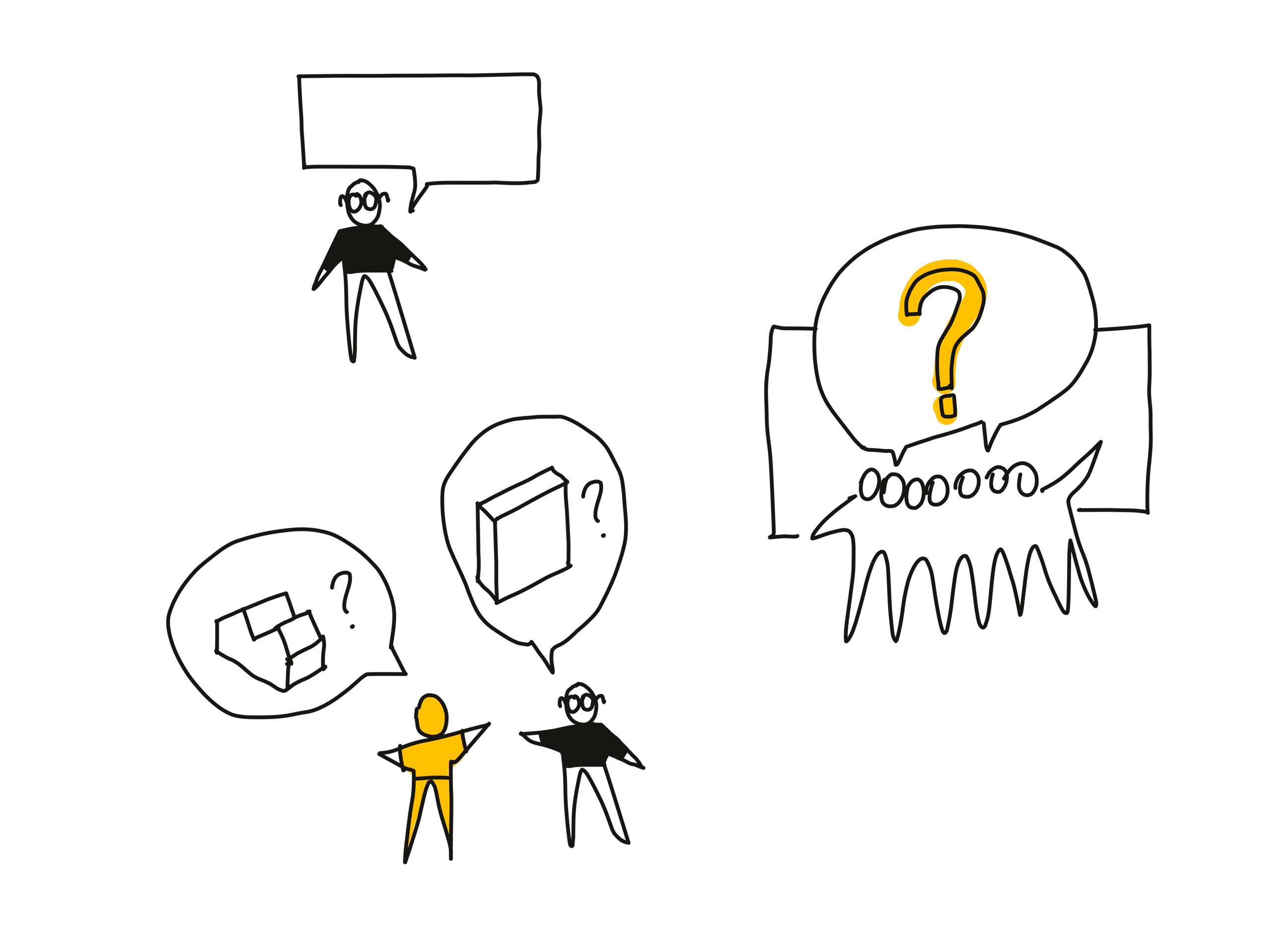
You know how to design. But do you know how you design?
Tools and frameworks to make your creative process visible, and navigate it with intention.
Find your tool

Who is this for?

01
For design studio teachers
Your students design. But you can't see inside their process — and neither can they. Arplaytecture gives you tools to make that process visible, so you can guide how they think, not just what they draw.
02
For architecture students
You spend hours in the studio not knowing if what you're doing is right — or why. Arplaytecture’s tools help you understand your own design mind, so you can move forward with clarity.
03
For architects
Your intuition is one of your greatest assets. Arplaytecture helps you work with it consciously, so it becomes a tool you can direct — not just wait for.

In architecture, we are taught to design. But the creative process in architecture is rarely made visible — and we are rarely taught to understand how we design.

The creative process in architecture often remains invisible — intuitive, fragmented, and difficult to navigate.

I design tools to make this process visible — so it can be explored, questioned, and improved.

Structure doesn’t kill creativity. It gives it a place to land.

Not by replacing intuition — but by learning to work with it consciously.
That is what Arplaytecture is built for.

Read about the process

Huellas de astronauta en la luna — diseñar para fallar en arquitectura como método en el proceso creativo
Diseña para otro planeta: lo que la imposibilidad revela sobre tus supuestos de diseño
Read More
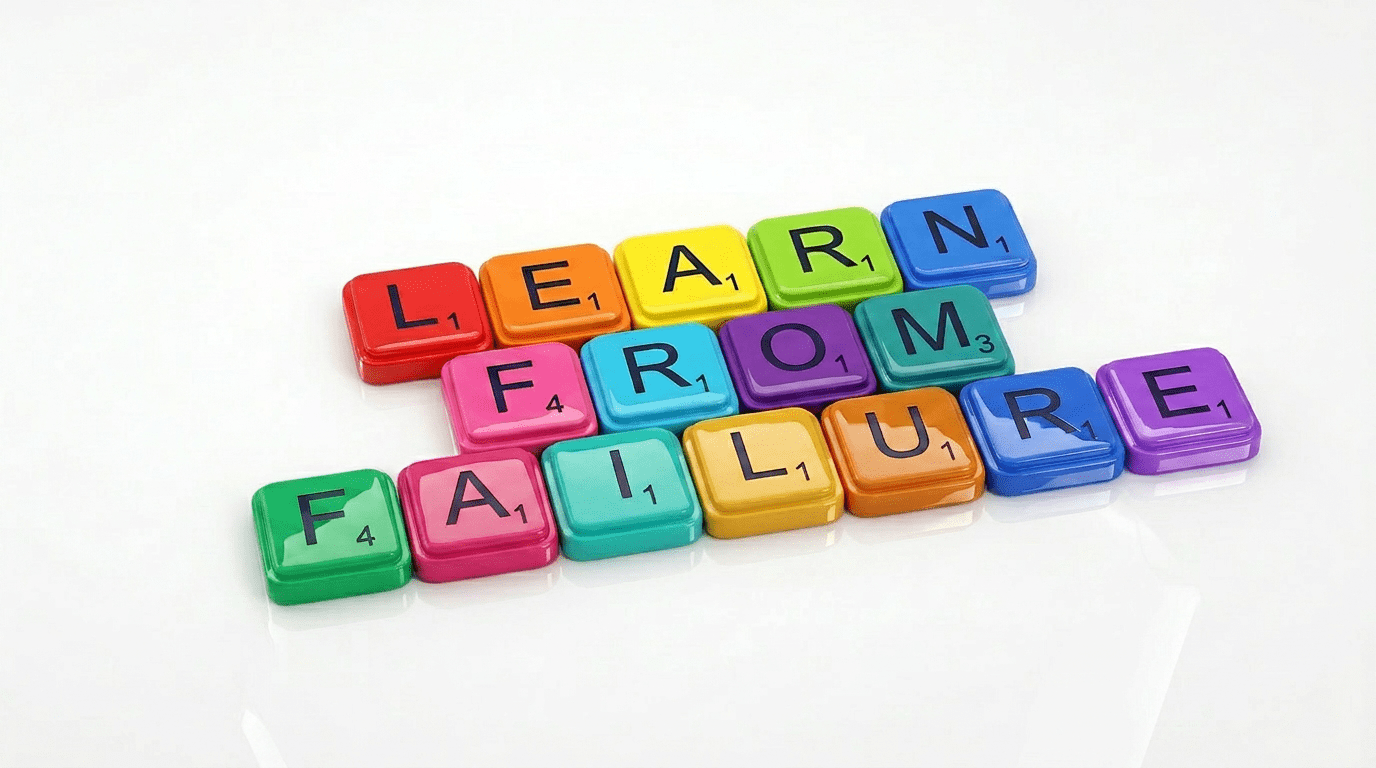
Colourful Scrabble tiles spelling "Learn From Failure", representing the creative value of embracing mistakes in the design process
Diseñar para fallar: por qué el error es el mejor punto de partida en el proceso creativo
Read More
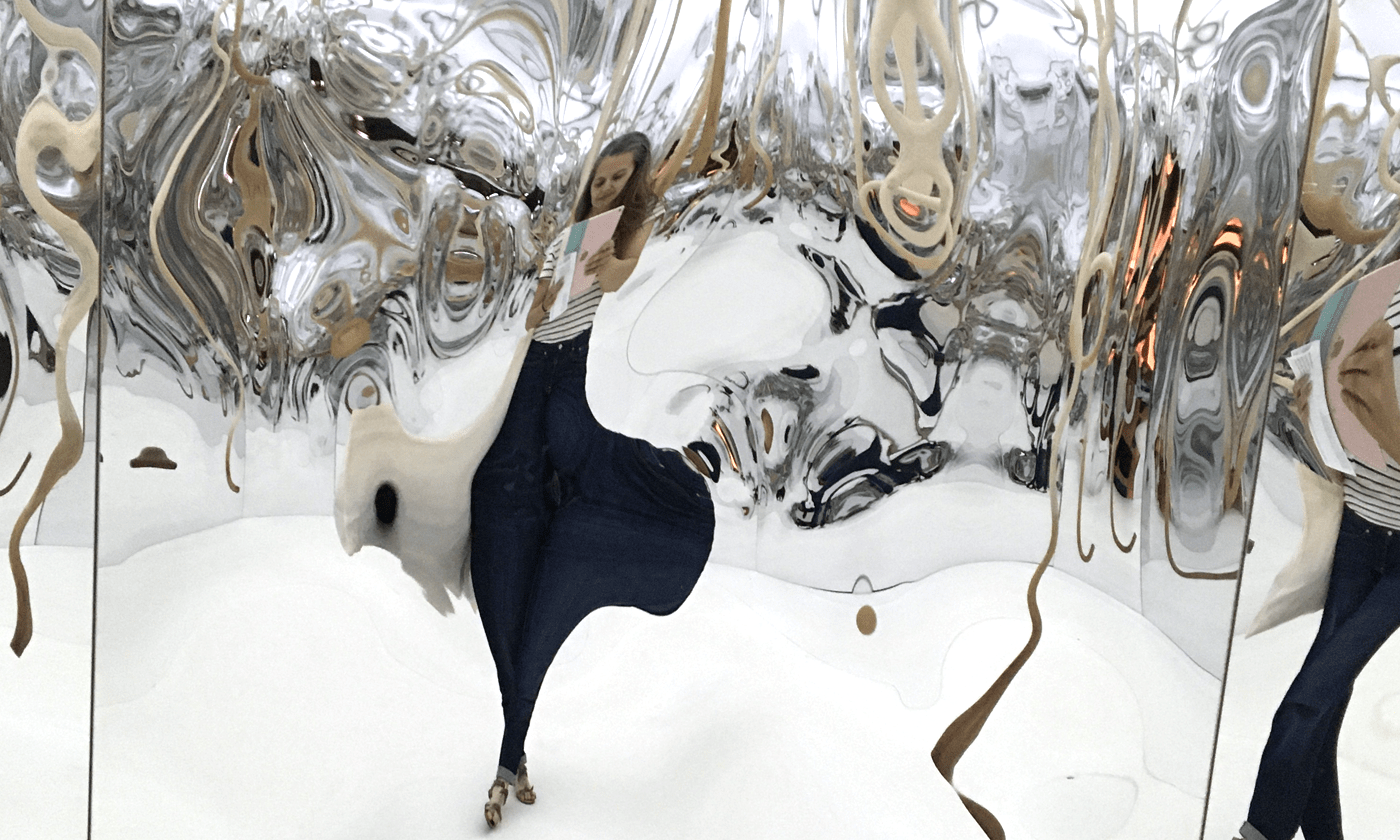
Woman reading inside a mirrored art installation with distorted reflections, evoking surprise and unexpected perspectives in the creative process
La sorpresa como herramienta: cómo lo inesperado puede guiar tu proceso de diseño
Read More
Niña mirando a través de unos prismáticos — observar con atención para reformular el problema en el proceso de diseño
La pregunta equivocada: por qué el problema real rara vez aparece en el encargo
Read More