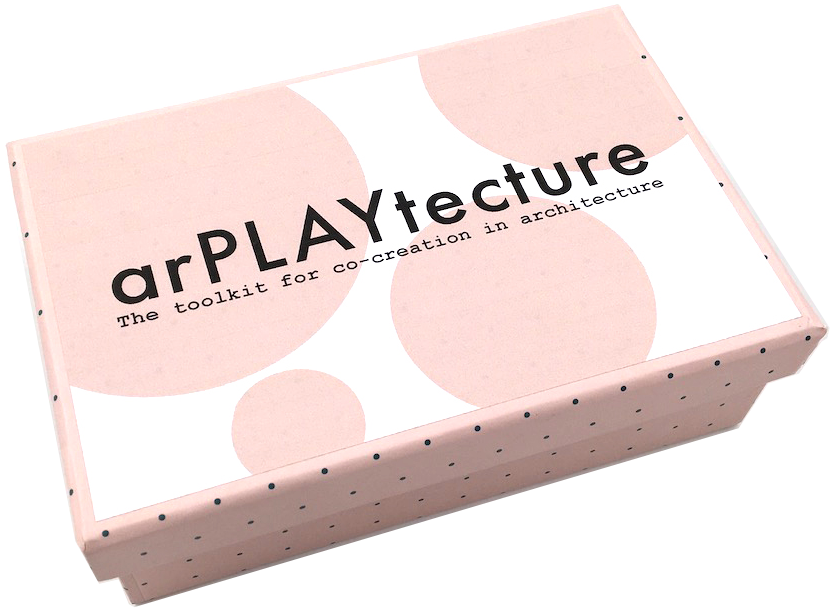
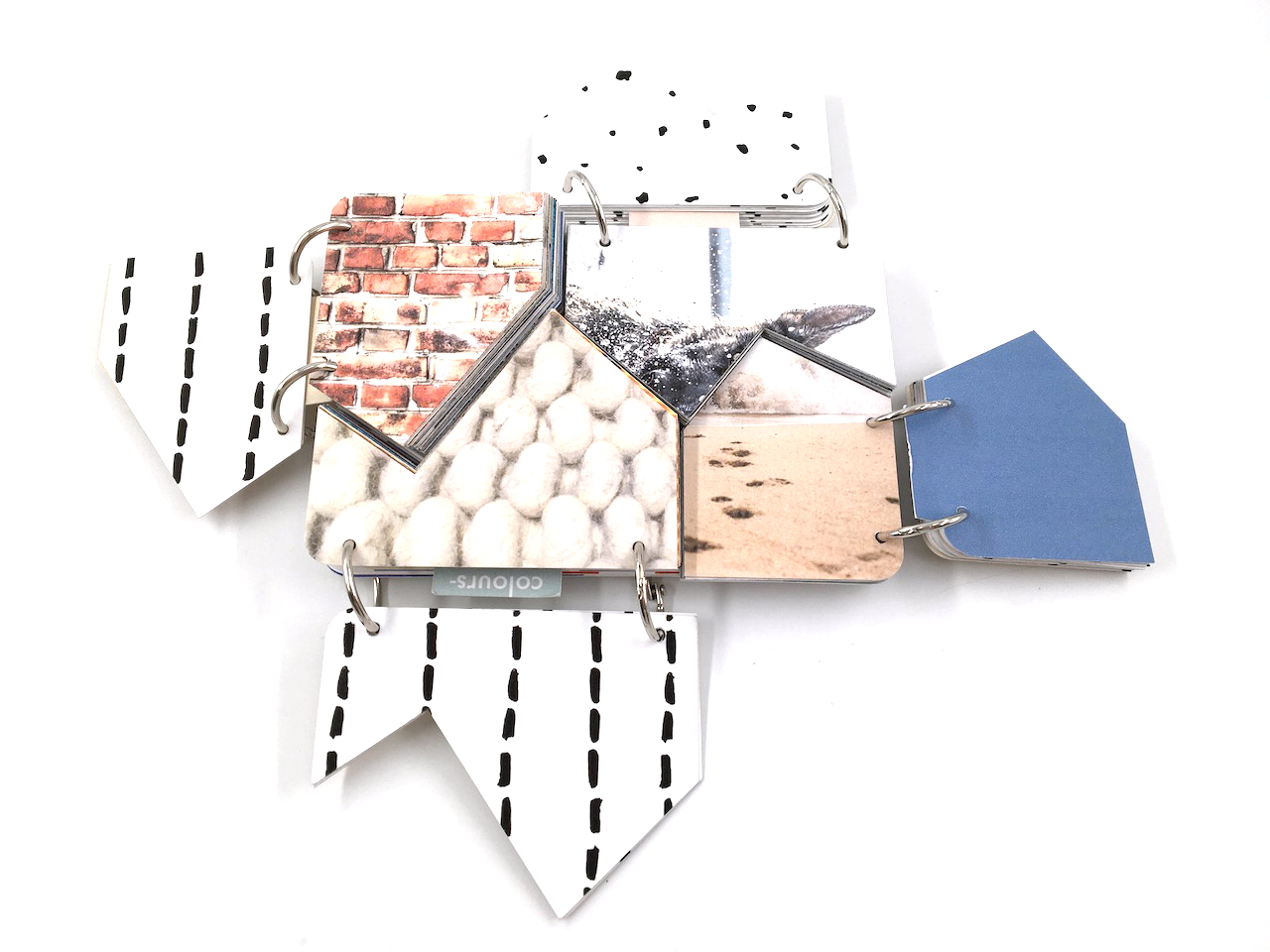
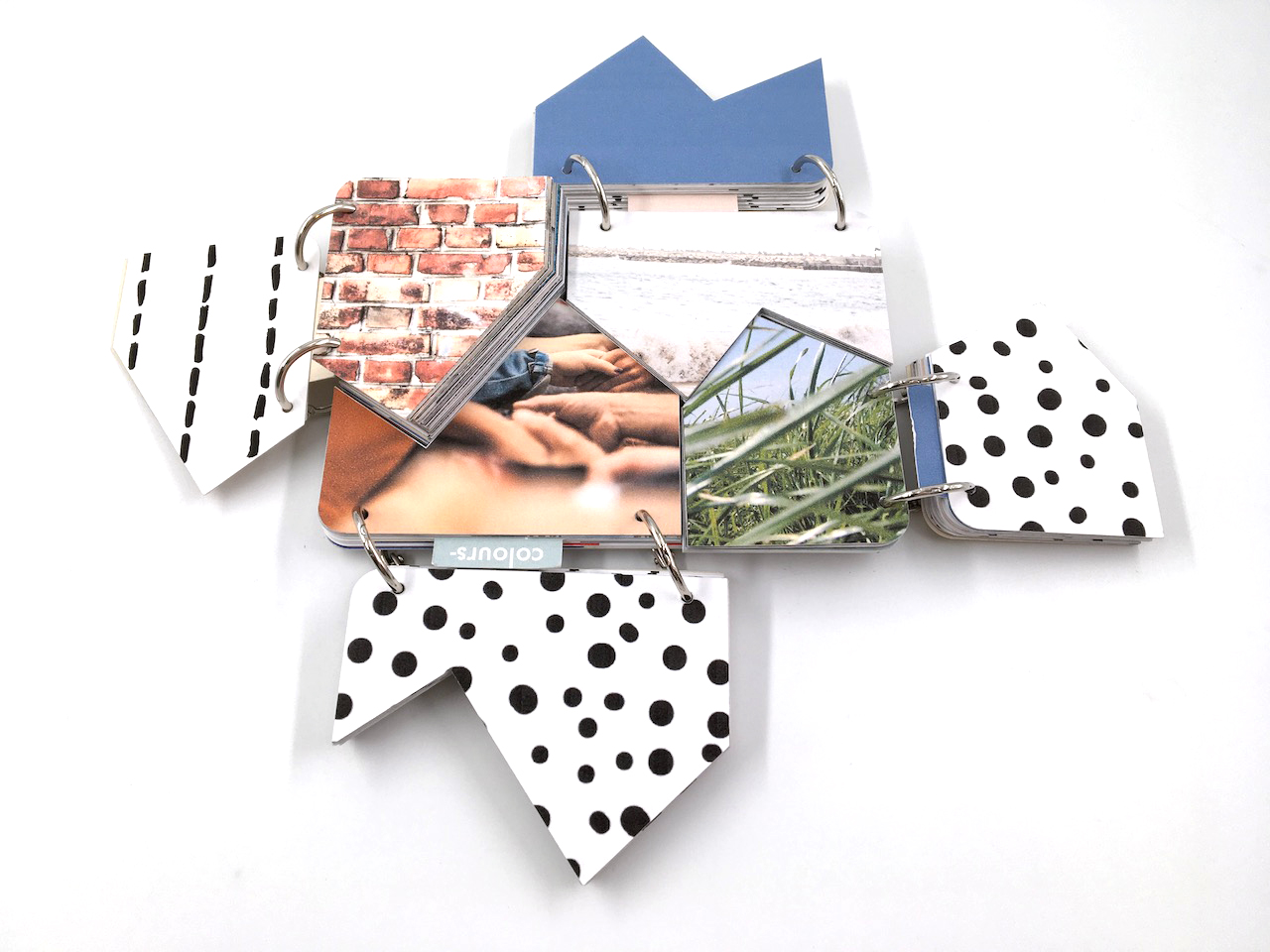
A co-creation toolkit for architecture — to align perspectives, build shared language and make design decisions together with users.
Co-creation in architecture often lacks a shared language
In architecture and planning, more and more design processes involve users, clients and stakeholders from the start.
But the tools and language architects use to think about design are rarely accessible to everyone in the room. Ideas get shared. They are not always understood, questioned or developed together. The collaboration is there in name. The shared thinking rarely follows.
A toolkit to enable co-creation in architecture
I designed this toolkit for the moment in a project when the right people are finally in the room — and no one has a shared language to think together.
It is a generative set of tools for the fuzzy front end of architecture and planning: the phase where ideas need to be explored, tested and communicated before they become decisions. Through playful prompts and structured interactions, it creates a common language that allows architects, users, children, clients and stakeholders to actively contribute to the design process — not just to react to it.
The toolkit works in co-creation sessions, community engagement processes and architecture school studios. It can be used independently or as part of a guided workshop.
A toolkit to design together
It combines three elements that can work together or independently:
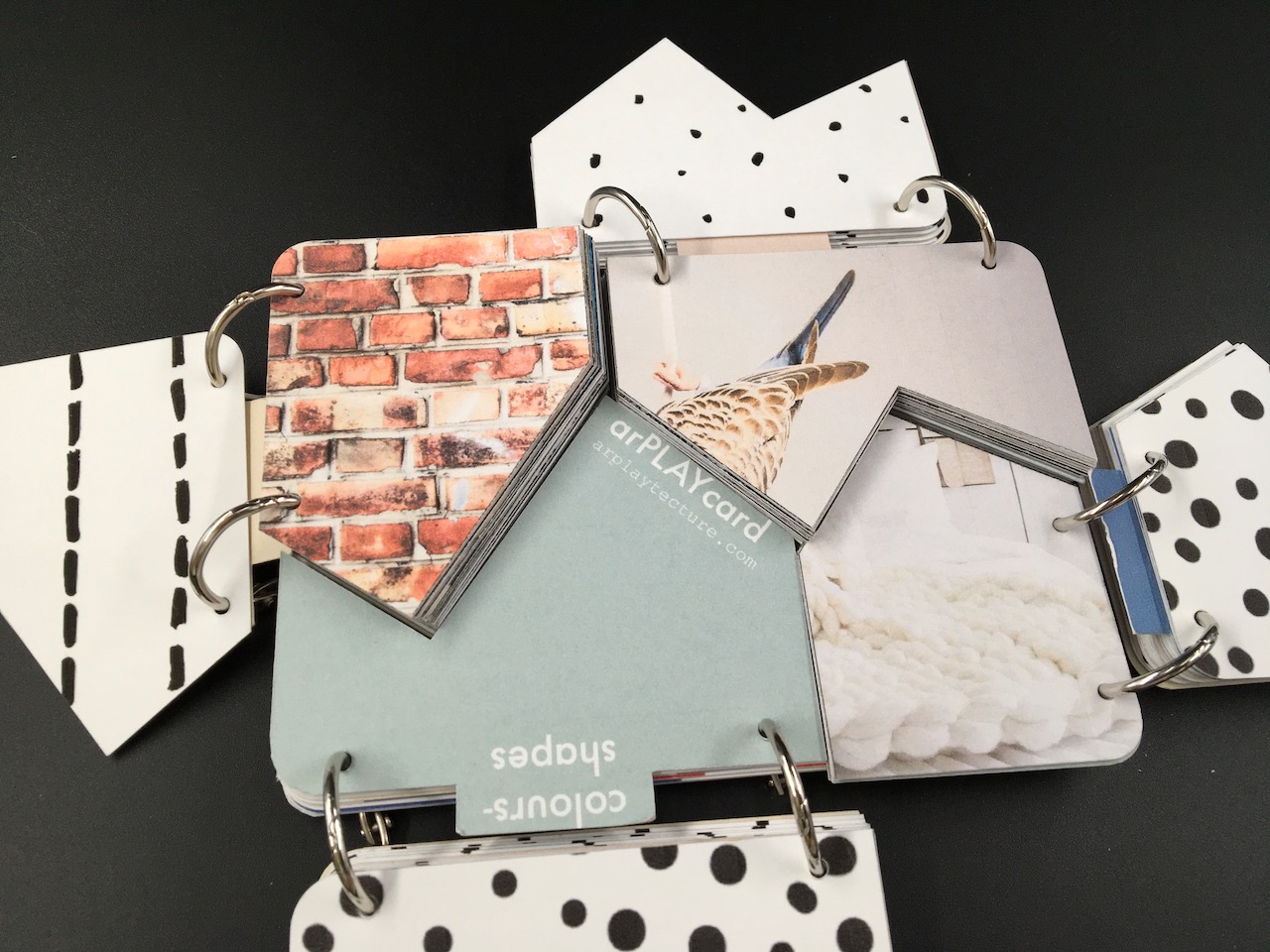
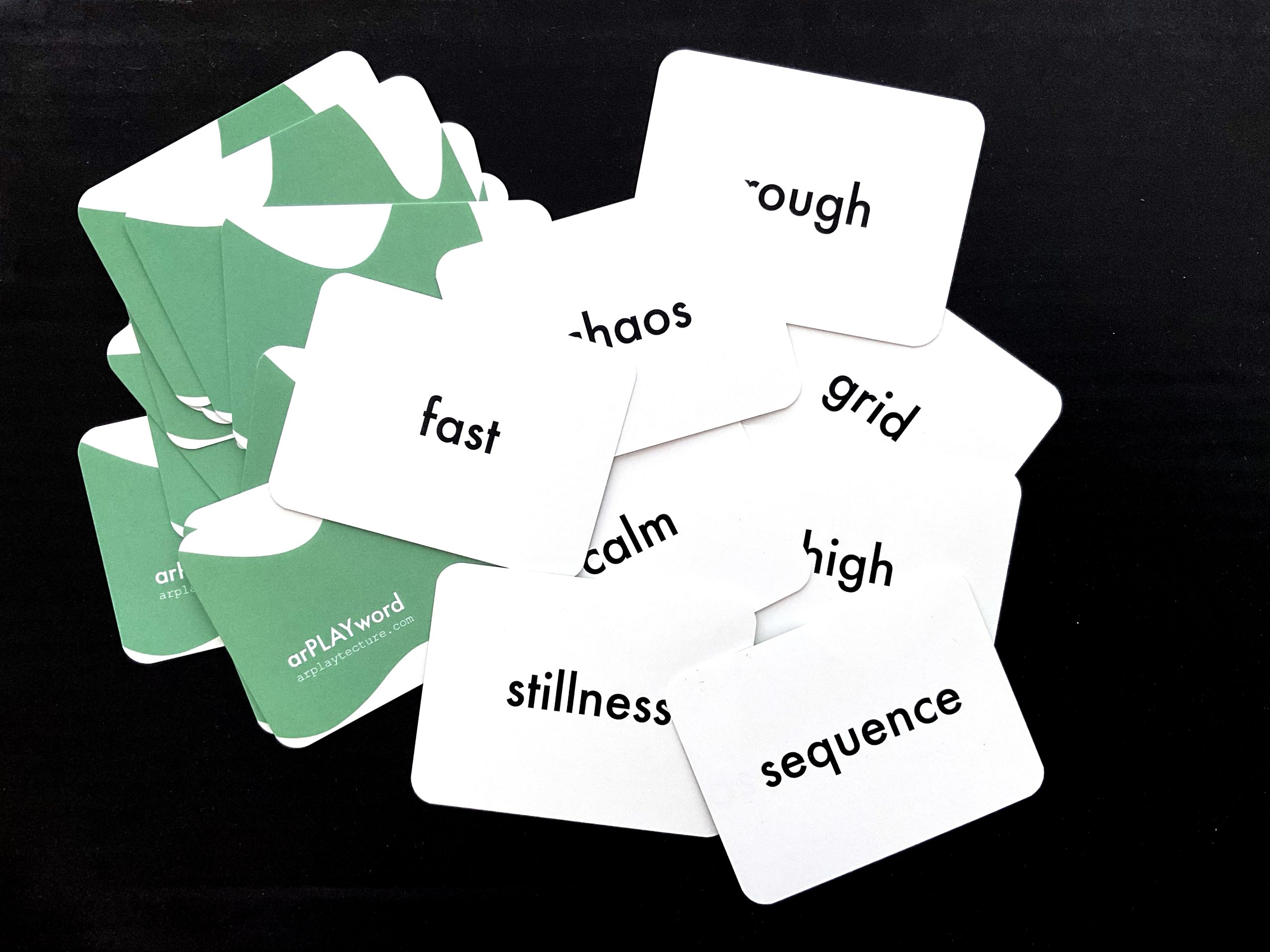
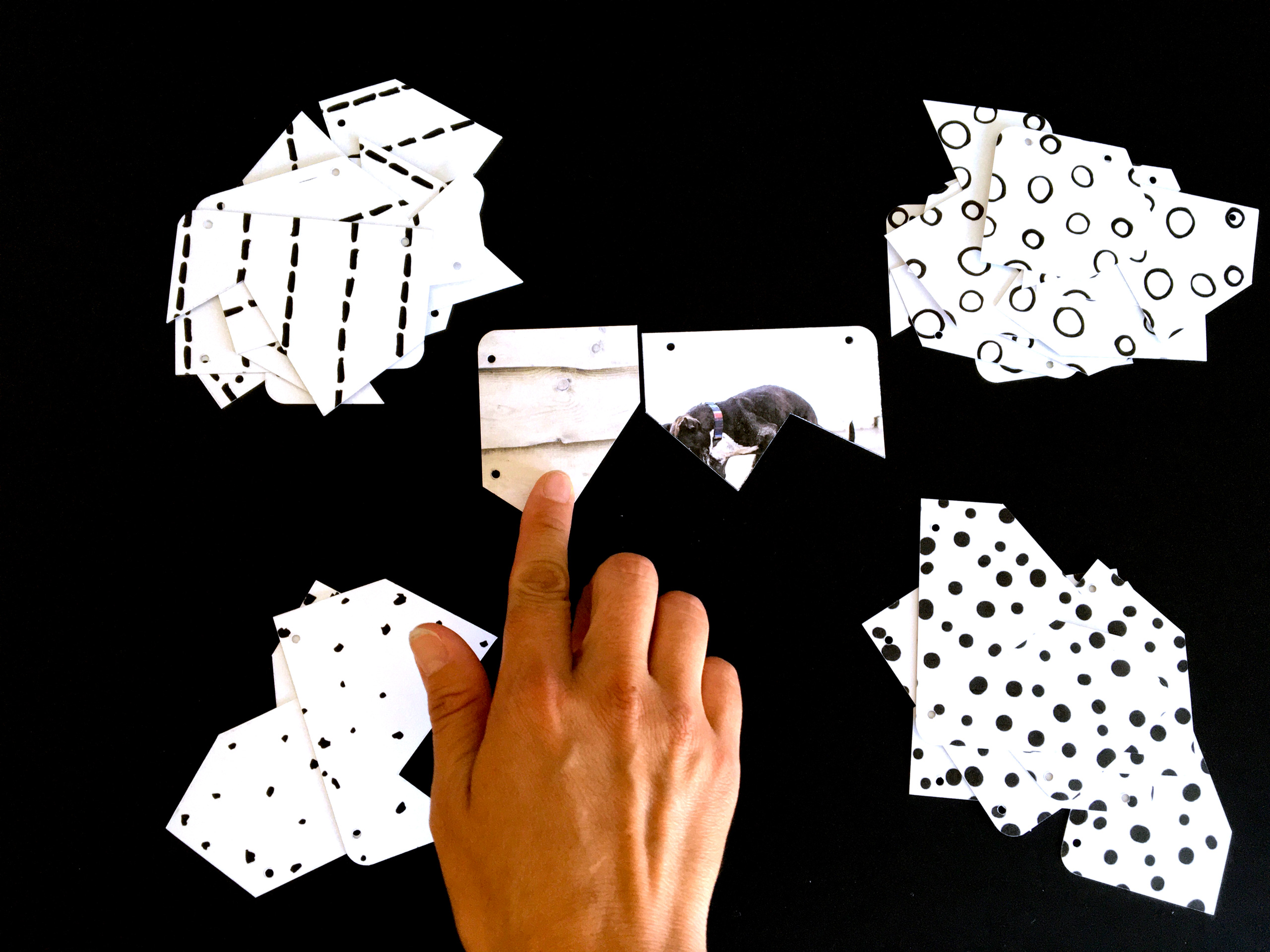
Disruptive Arplaycards, Arplaycards and Arplaywords.
1. Disruptive cards
Based on the concept of bisociation, these cards act as an open-ended generative tool — revealing latent and tacit needs through unexpected connections that become inspiration for design.
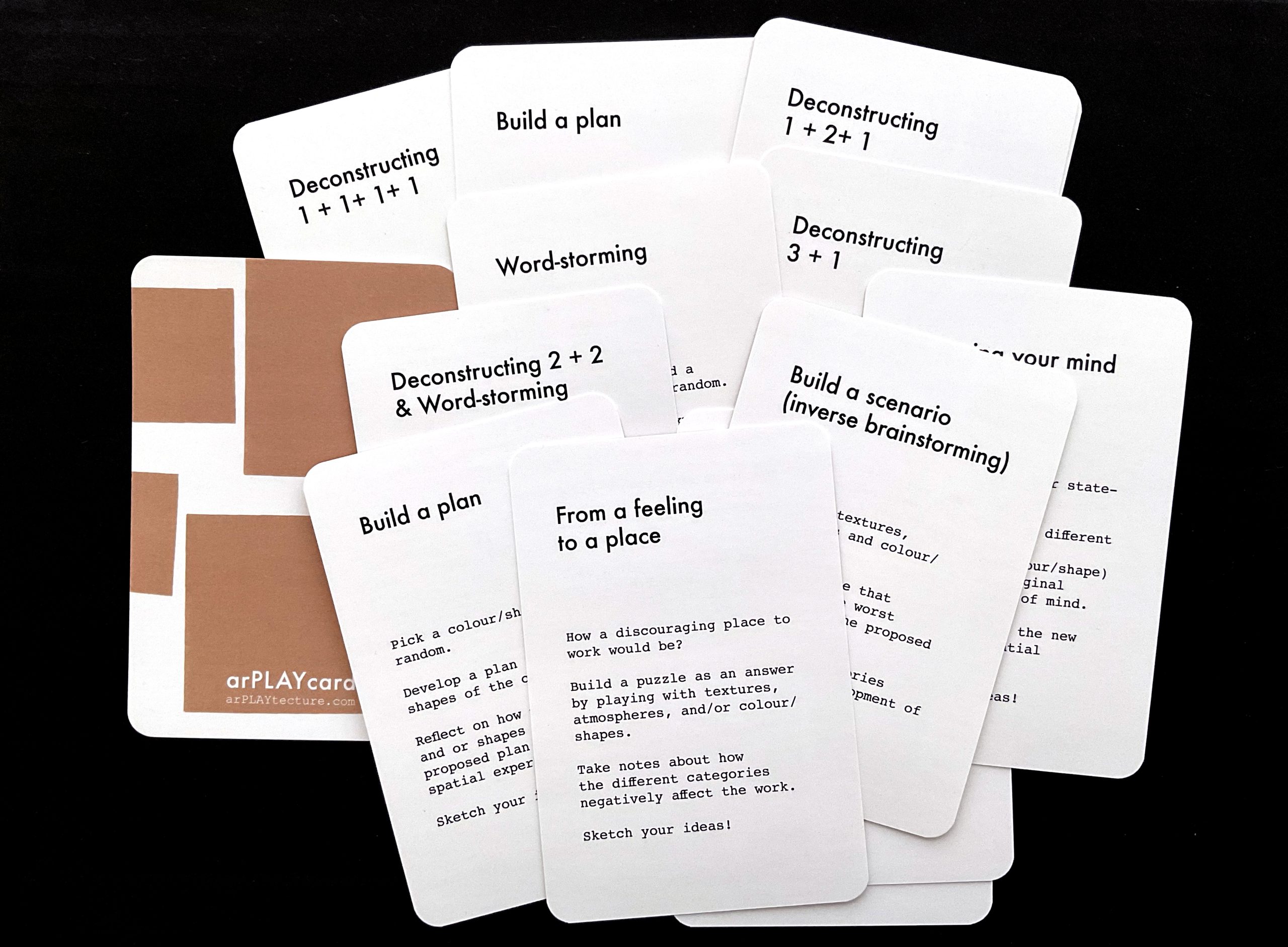
2. Arplaycards
The activity cards. Each one guides how to engage with the Disruptive cards and Arplaywords — from random combinations to deliberate compositions, offering different ways to enter the creative process.
3. Arplaywords
A vocabulary to articulate what is hard to say. Each word can be activated through activities and combined with different card arrangements, building shared meaning between people who think in different languages.
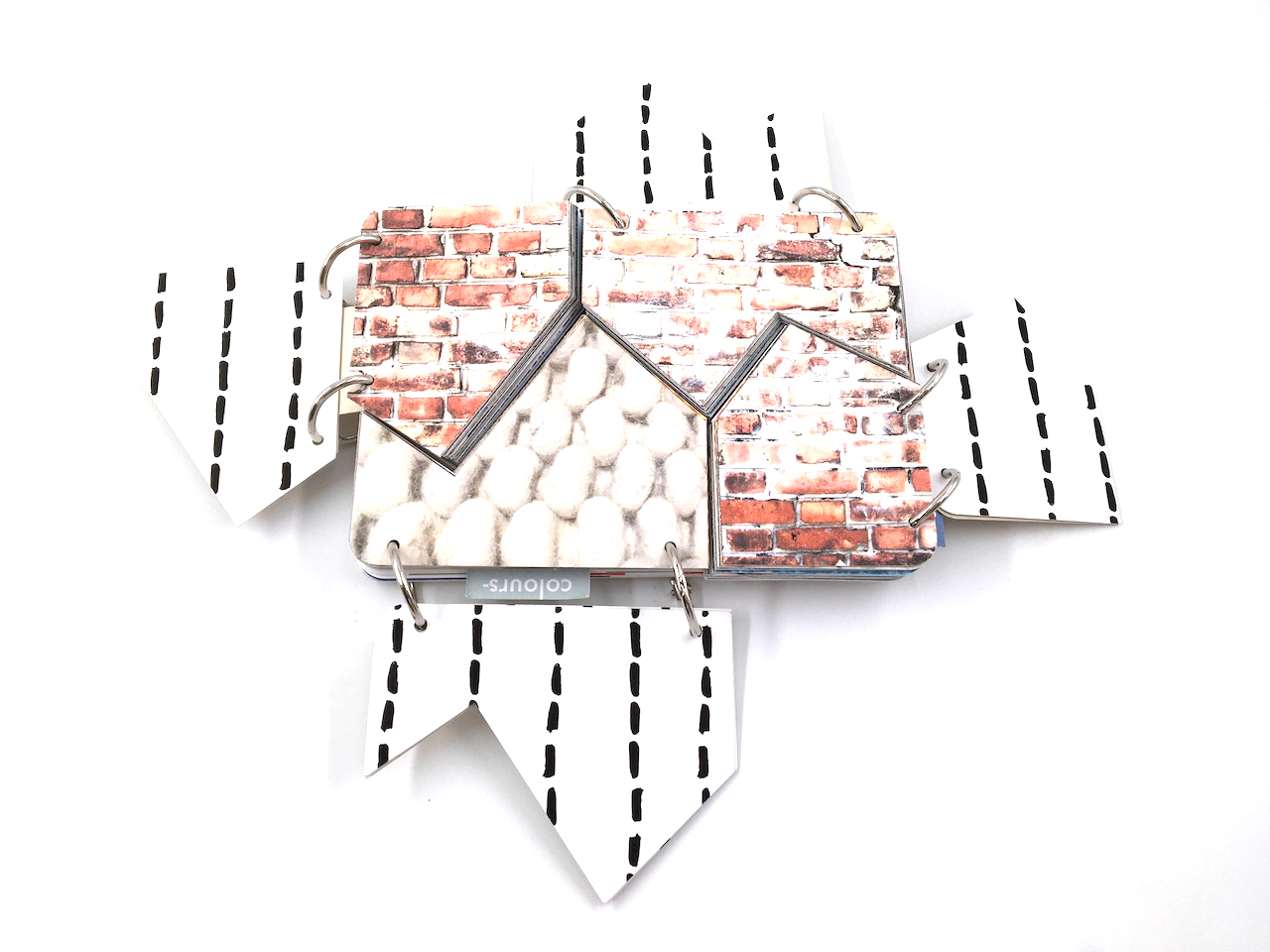
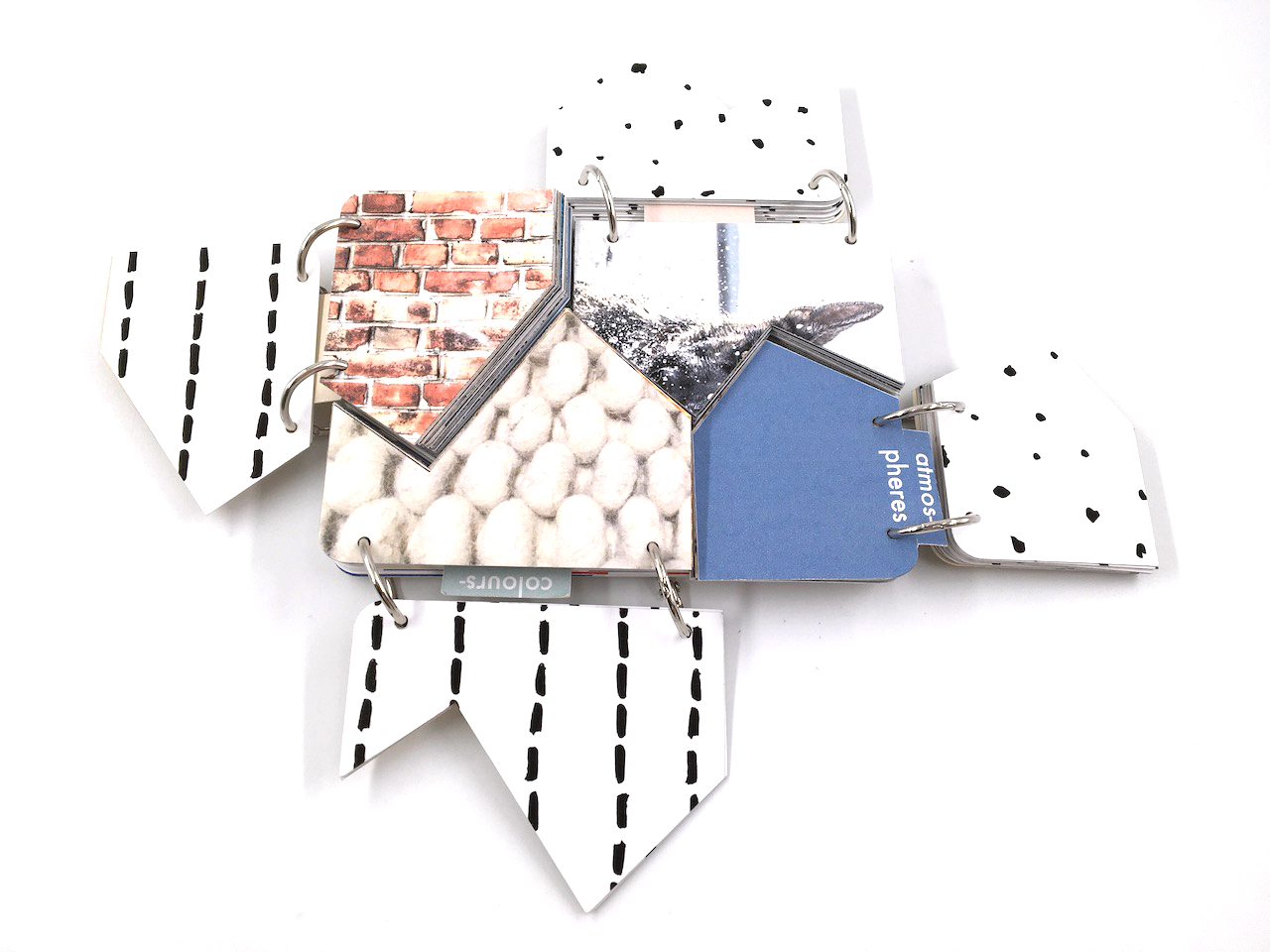
4. A pocket journal or loose parts
The toolkit has no fixed form. Use it as a pocket journal, as loose parts on a table, or freely — depending on what the session needs.
Why work with disruption in the design process
Disruption plays a specific role in the creative process in architecture — one that is often misunderstood. As Leegaard observed, there is a close link between disruption and creativity: when you try out what was not initially intended, new connections emerge and your understanding of the problem expands.
I built the disruptive cards around this principle. They act as a trigger for uncovering latent experiential connections within the design process — the ones that are hidden precisely because they were never part of the brief. Those connections, made visible, become inspiration for more exploratory, inclusive and creative co-creation in architecture.