Structure collaboration, design better decisions

A conversation toolkit that helps architects, students and teams structure discussions, uncover hidden insights and turn ideas into action.

Structure thinking. Enable co-creation.

This toolkit translates playful exploration into structured decision-making tools.

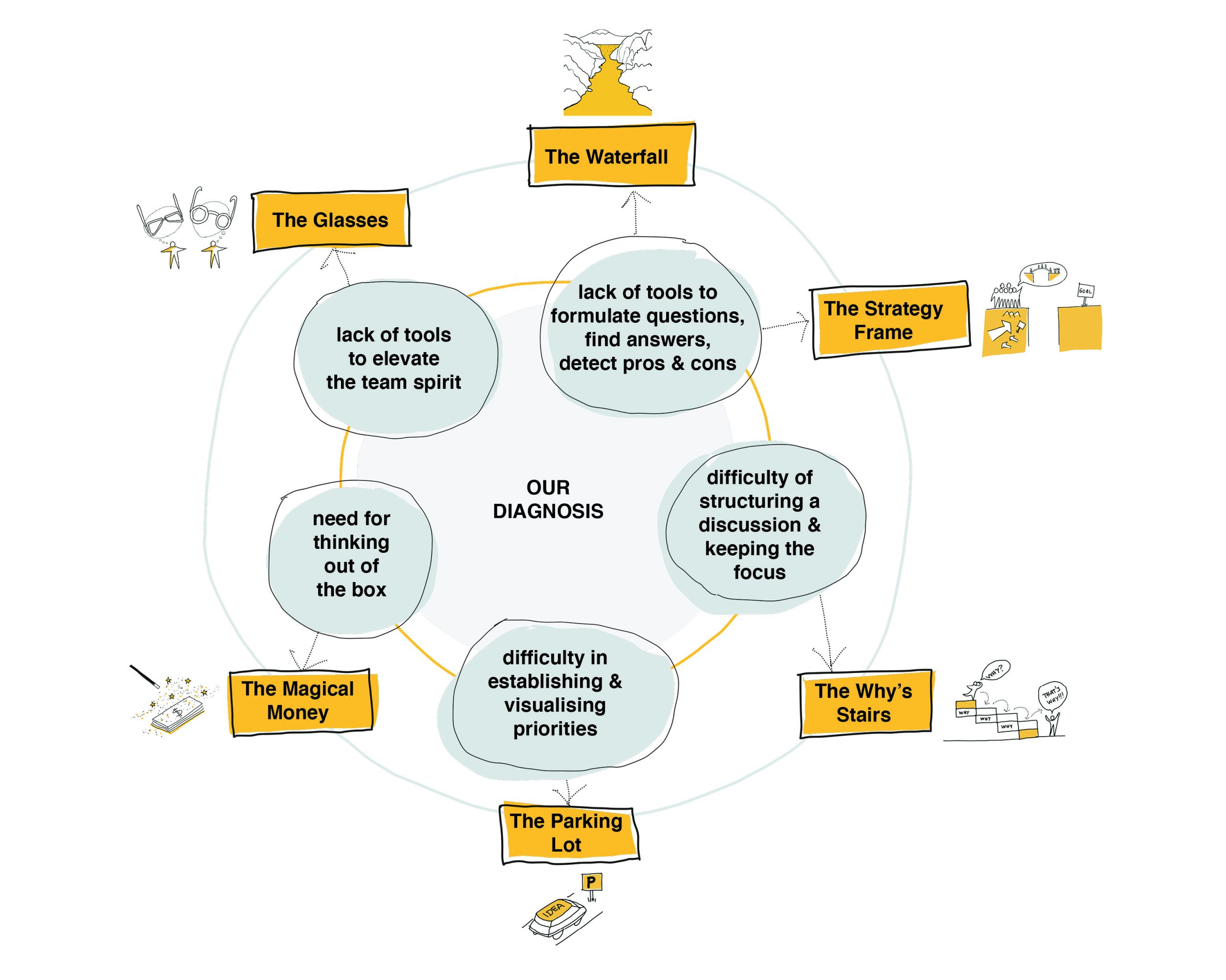
It helps teams: make implicit knowledge visible, structure discussions and priorities, move from ideas to action, build a shared language across different backgrounds

By combining play and structure, it supports more focused, inclusive and effective co-creation processes in architecture.

A toolkit to guide collaborative design processes

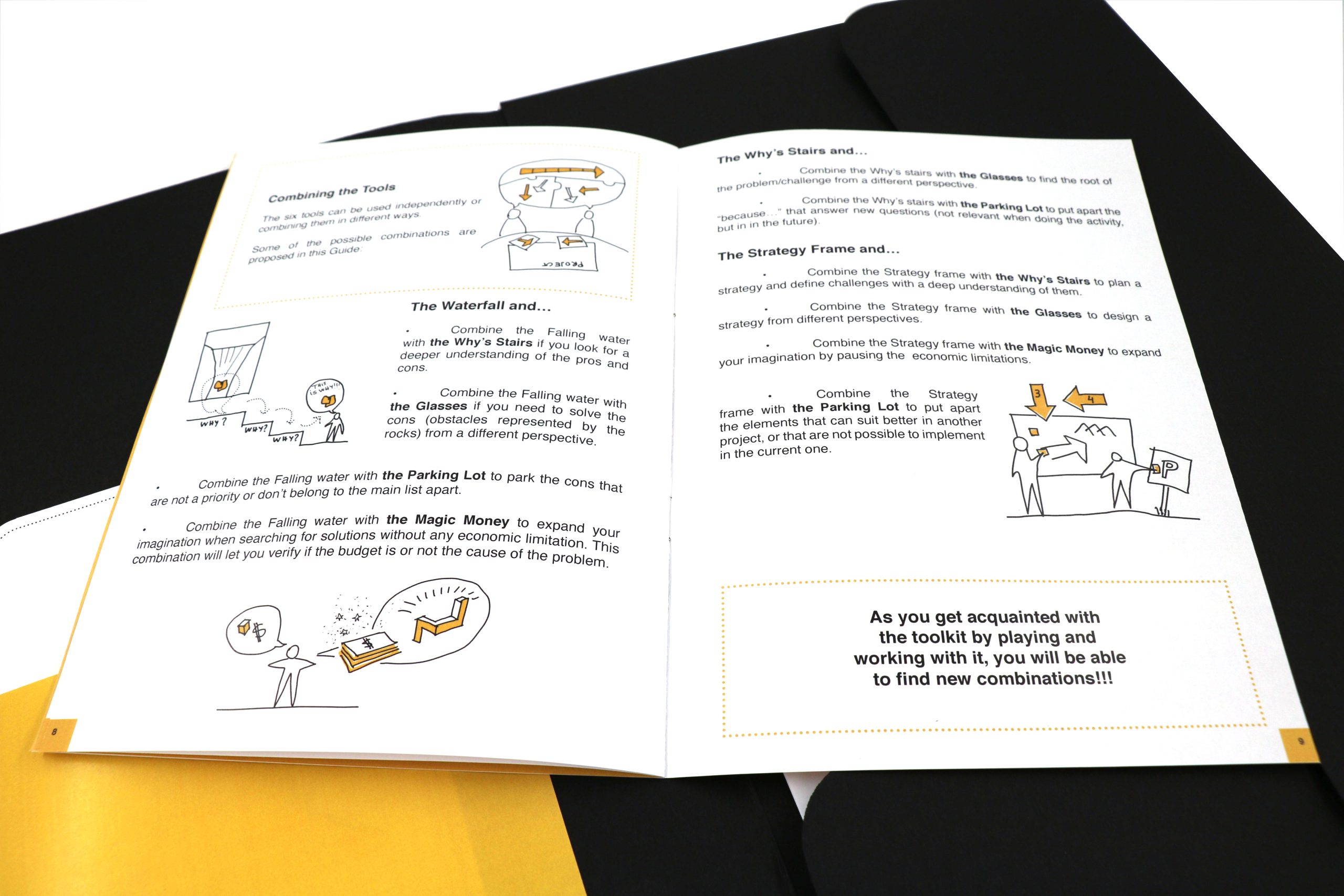
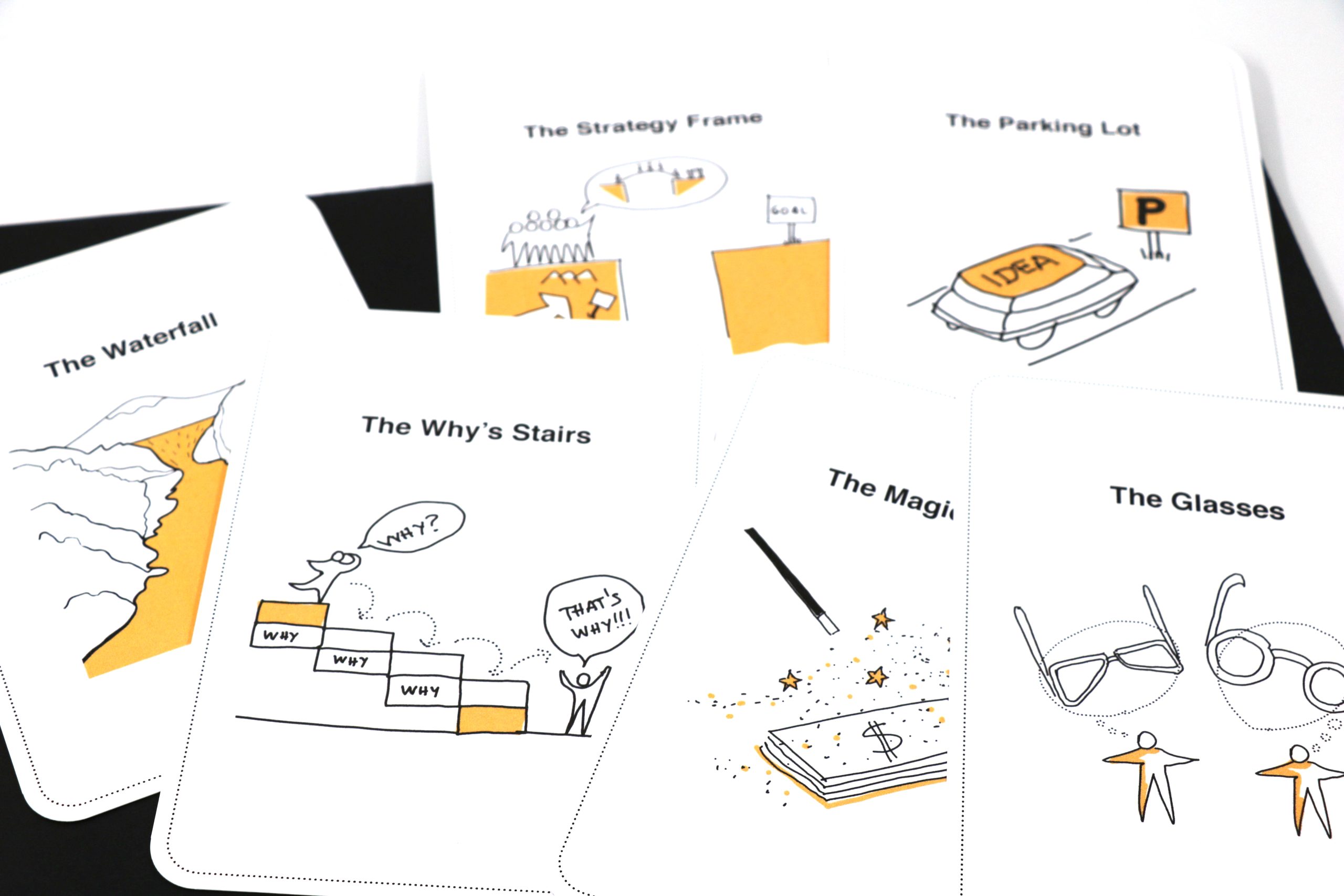
The toolkit is composed of a set of playful tools and techniques designed to support teams throughout conversations, reflection and decision-making: The Why’s Stairs, The Strategy Frame, The Parking Lot, Magic Money, The Waterfall, and The Glasses.

Together, these tools allow teams to run structured co-creation sessions maintaining clarity, focus and continuity over time.

How it works

The toolkit is a sequence of interactions that makes the team reflect, reveal tacit knowledge, structure conversations, prioritise what matters, and translate insights into action. It turns complex group dynamics into a guided process that teams can follow and replicate.

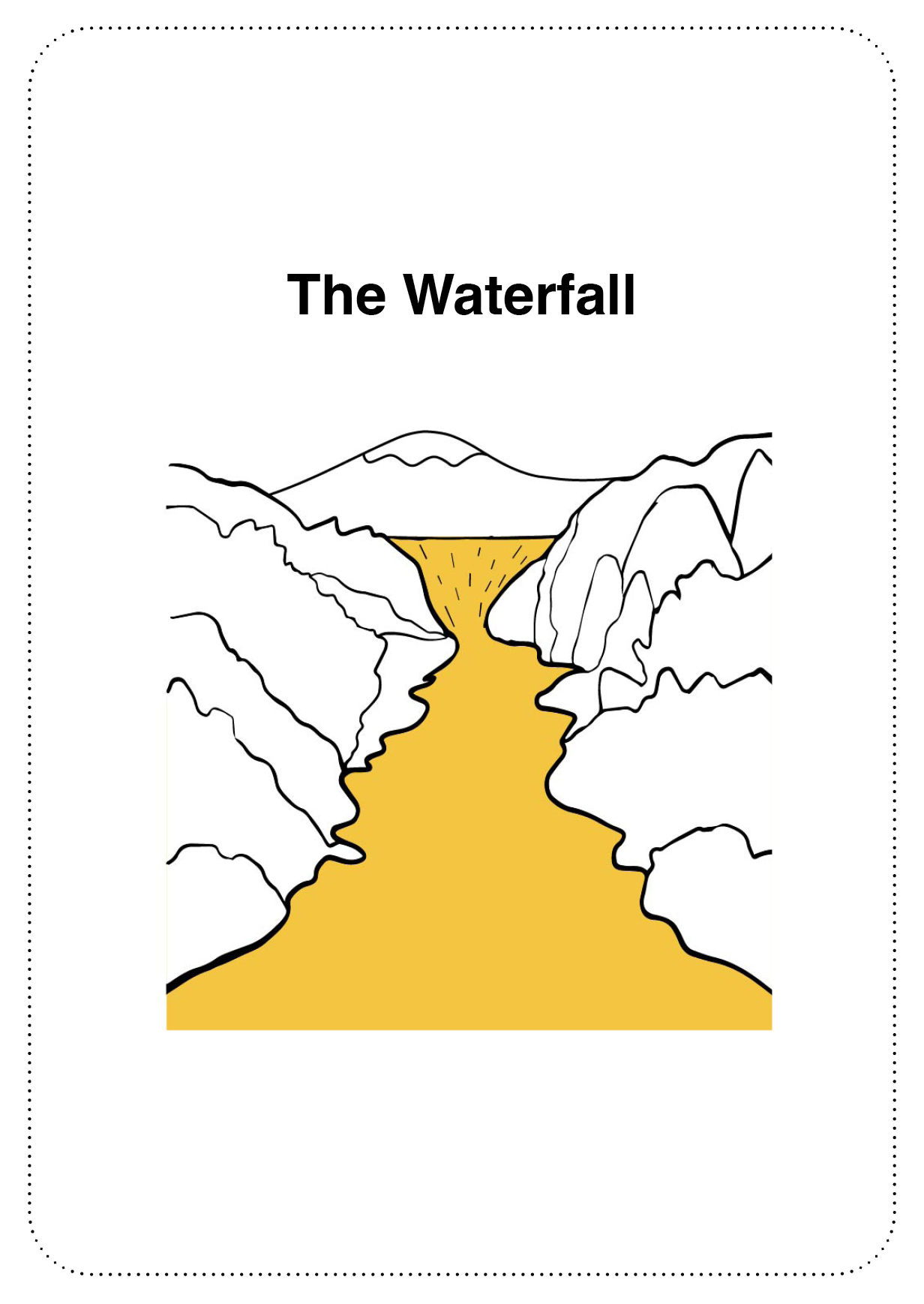
The Waterfall
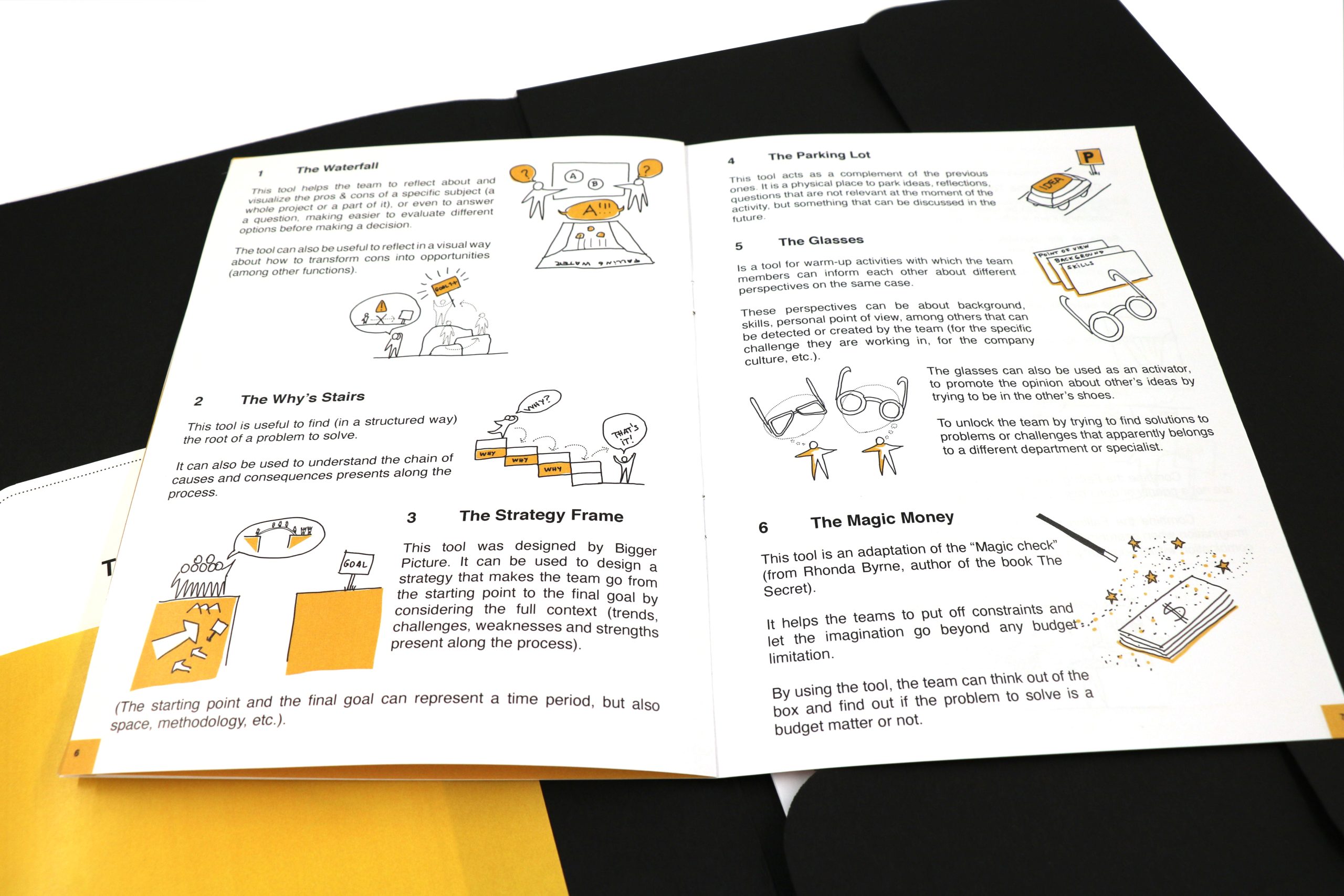
The Waterfall helps teams identify the root of a problem in a structured way. It can also be used to map the chain of causes and consequences throughout a design process, making complex situations easier to understand and address.
Image description
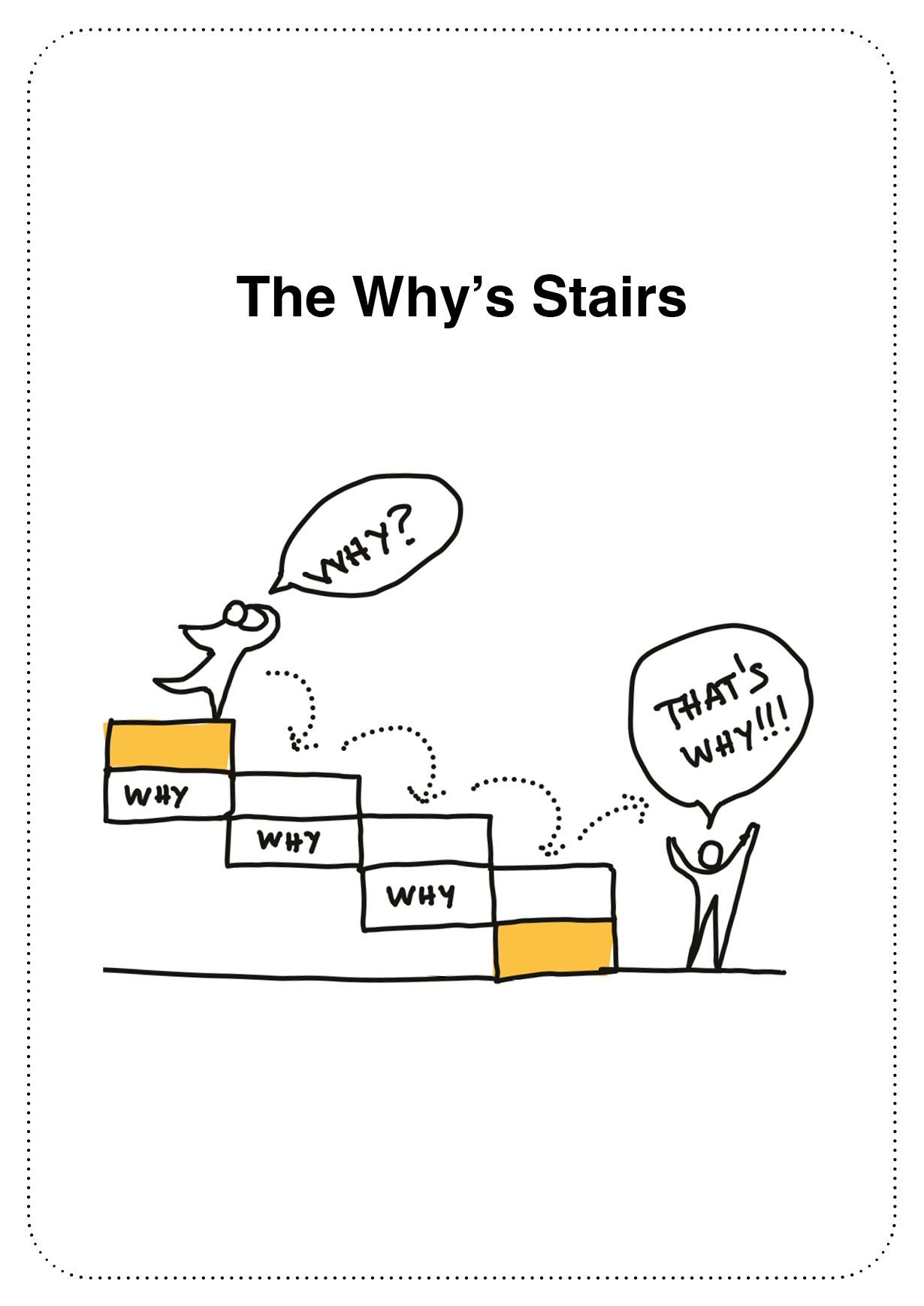
2. The Why's Stairs
The Why’s Stairs helps teams reflect on and visualise the pros and cons of a specific topic — whether a whole project, a part of it, or a key question. It supports the evaluation of different options before making decisions and can also be used to reframe constraints as opportunities.
Image description
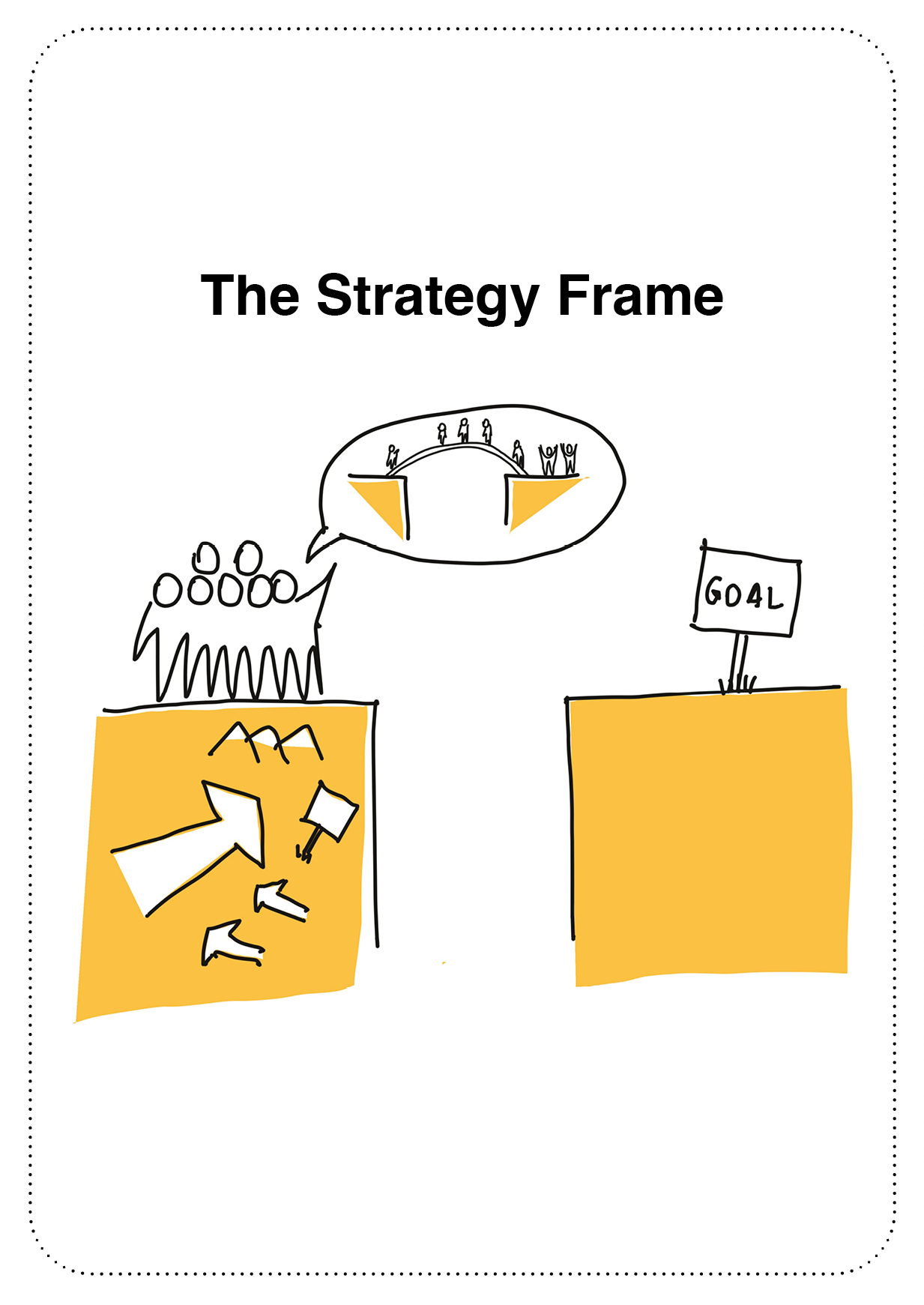
3. The Strategy Frame
It supports teams in designing a clear path from the starting point to a desired goal. By considering the broader context — including trends, challenges, strengths and weaknesses — it helps structure strategic thinking within the design process.
Image description
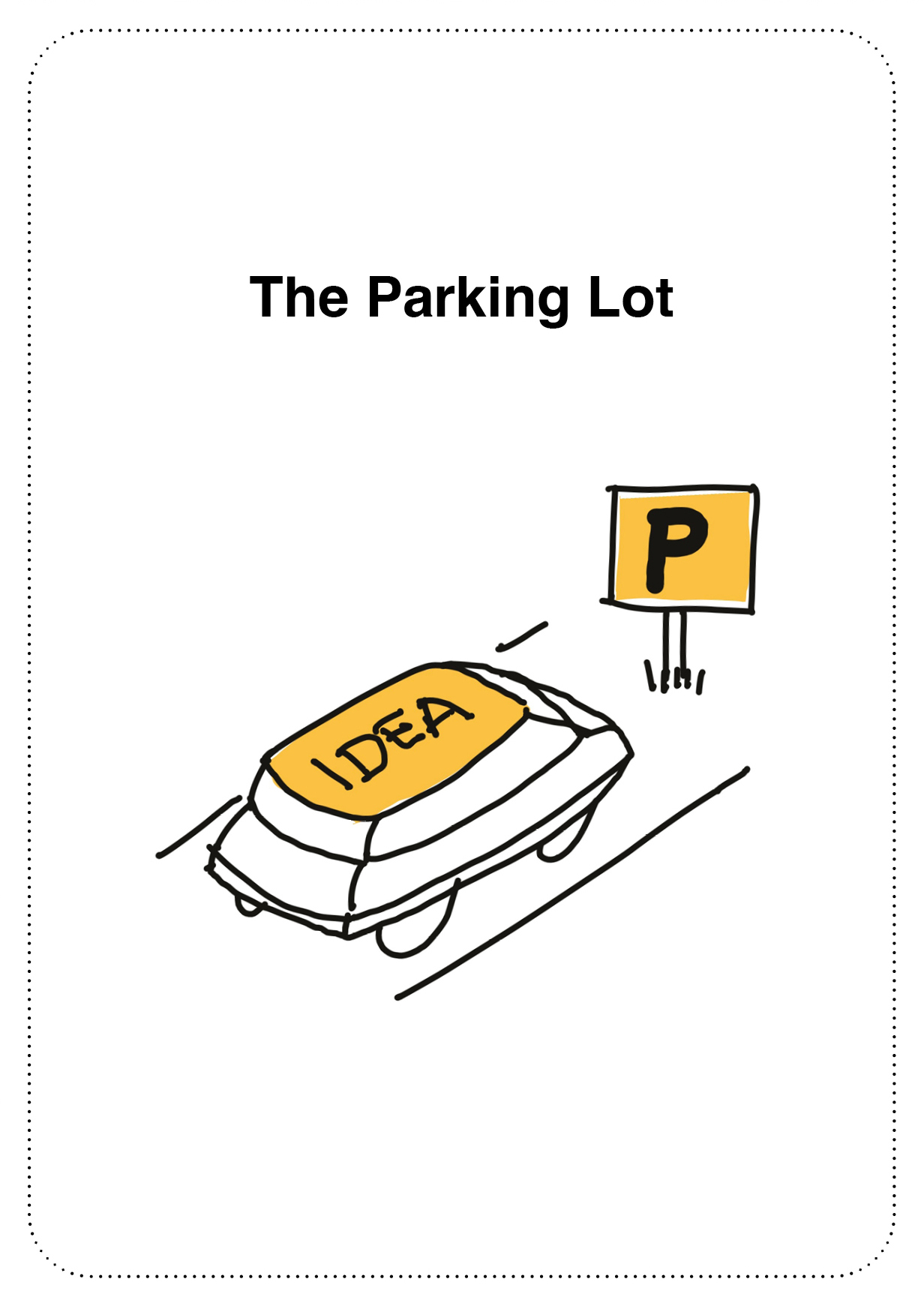
4. The Parking Lot
This tool complements the other tools by providing a space to capture ideas, questions and reflections that are not immediately relevant. This helps teams stay focused while ensuring that valuable inputs are not lost and can be revisited later.
Image description
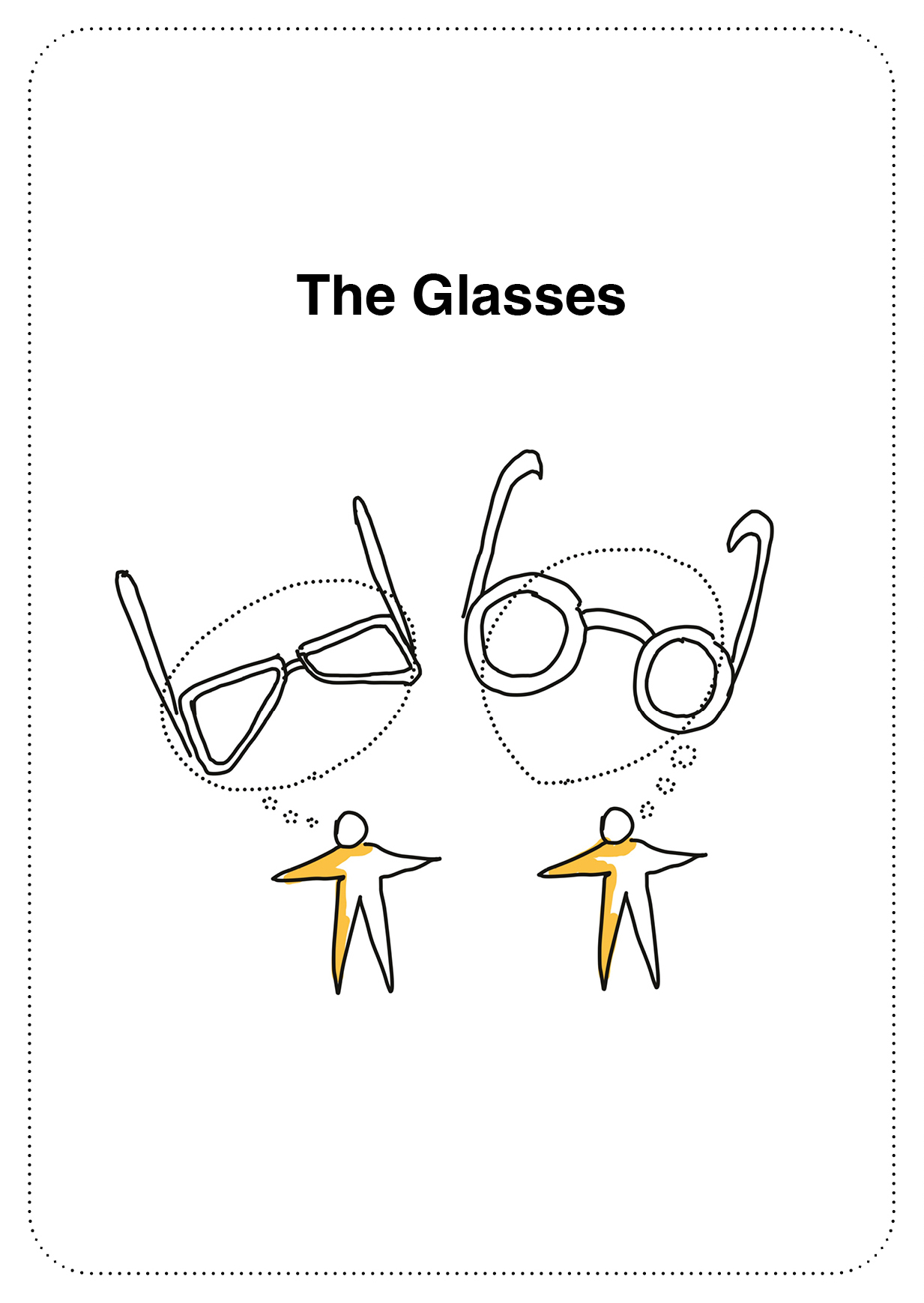
5. The Glasses
This is a tool for warm-up activities that helps team members share and understand different perspectives on the same case. These perspectives may relate to background, skills or personal viewpoints, and can be defined or adapted by the team depending on the project or context.
Image description
6. The Magic Money
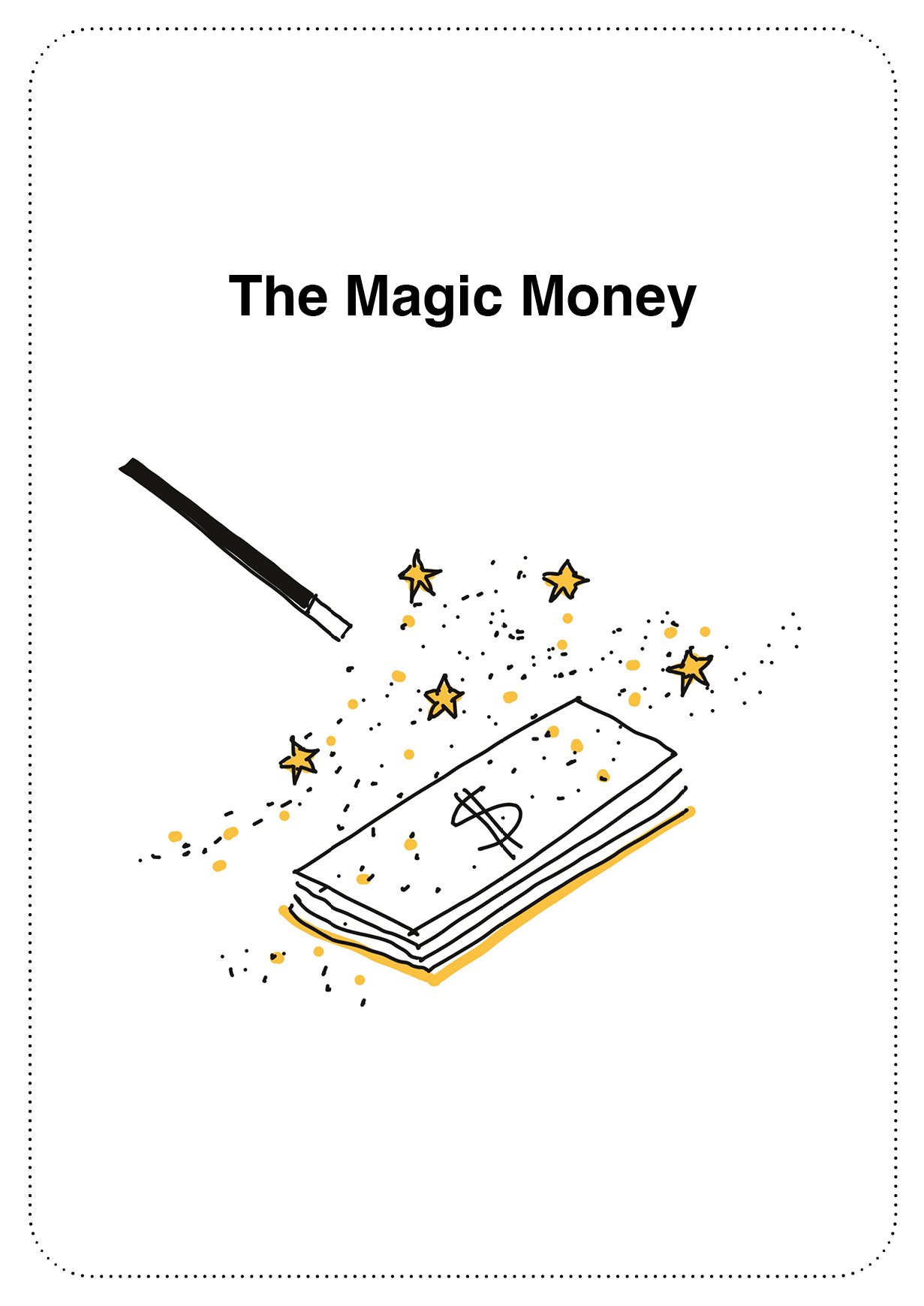
The tool helps teams temporarily suspend budget constraints and explore ideas more freely. By encouraging out-of-the-box thinking, it allows teams to test whether a challenge is truly financial or if alternative solutions can emerge beyond perceived limitations.
Image description

Play as a bridge between people and decisions

In the toolkit, play is used not as an end, but as a way to access deeper layers of understanding. By engaging participants through playful interactions, the toolkit makes it easier to surface what is usually hidden: doubts, expectations, tensions and opportunities. These insights become the foundation for clearer decisions, stronger collaboration and more meaningful design outcomes.