A conversation toolkit to help architects and students keep the user present in every design decision — not just at the beginning.
The user is often present at the beginning, but disappears along the design process
Design decisions in architecture are rarely made with the user in the room. The further into the project, the less they appear — replaced by intuition, personal references and assumptions that are almost never questioned. The connection was there at the beginning. It just didn’t survive the process.
Bring the user back into the design process
Most design processes begin with the user. Few end with them.
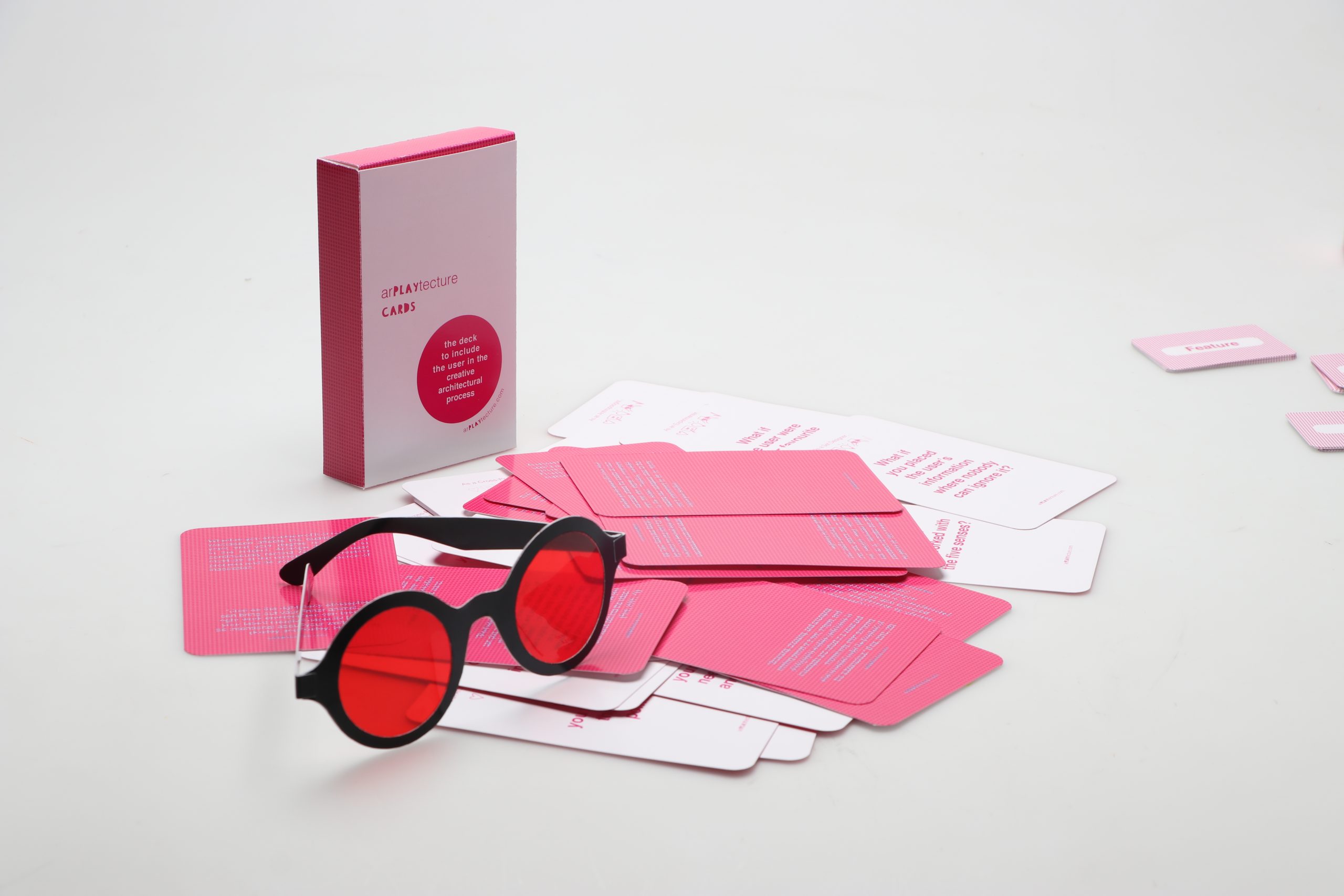
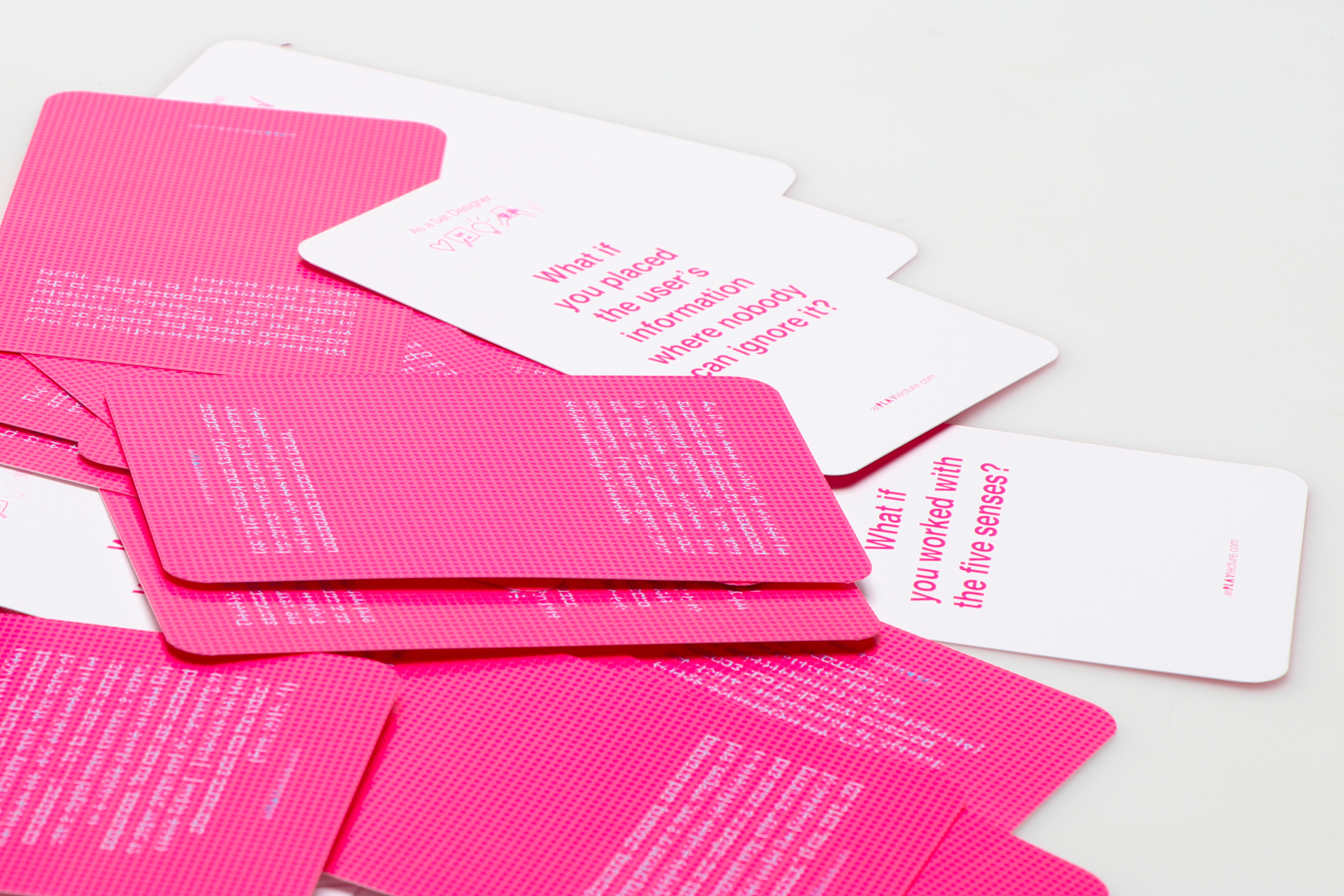
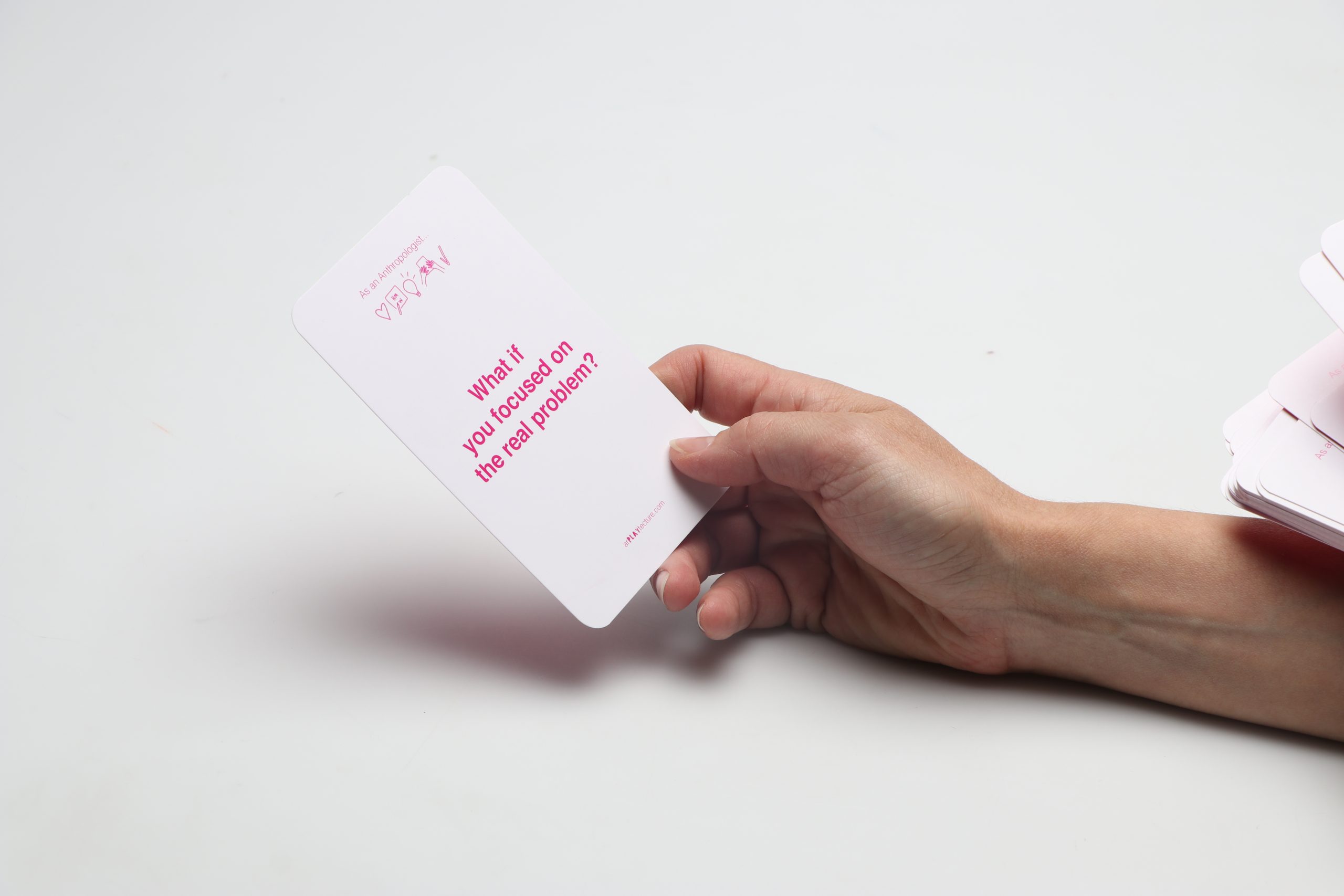
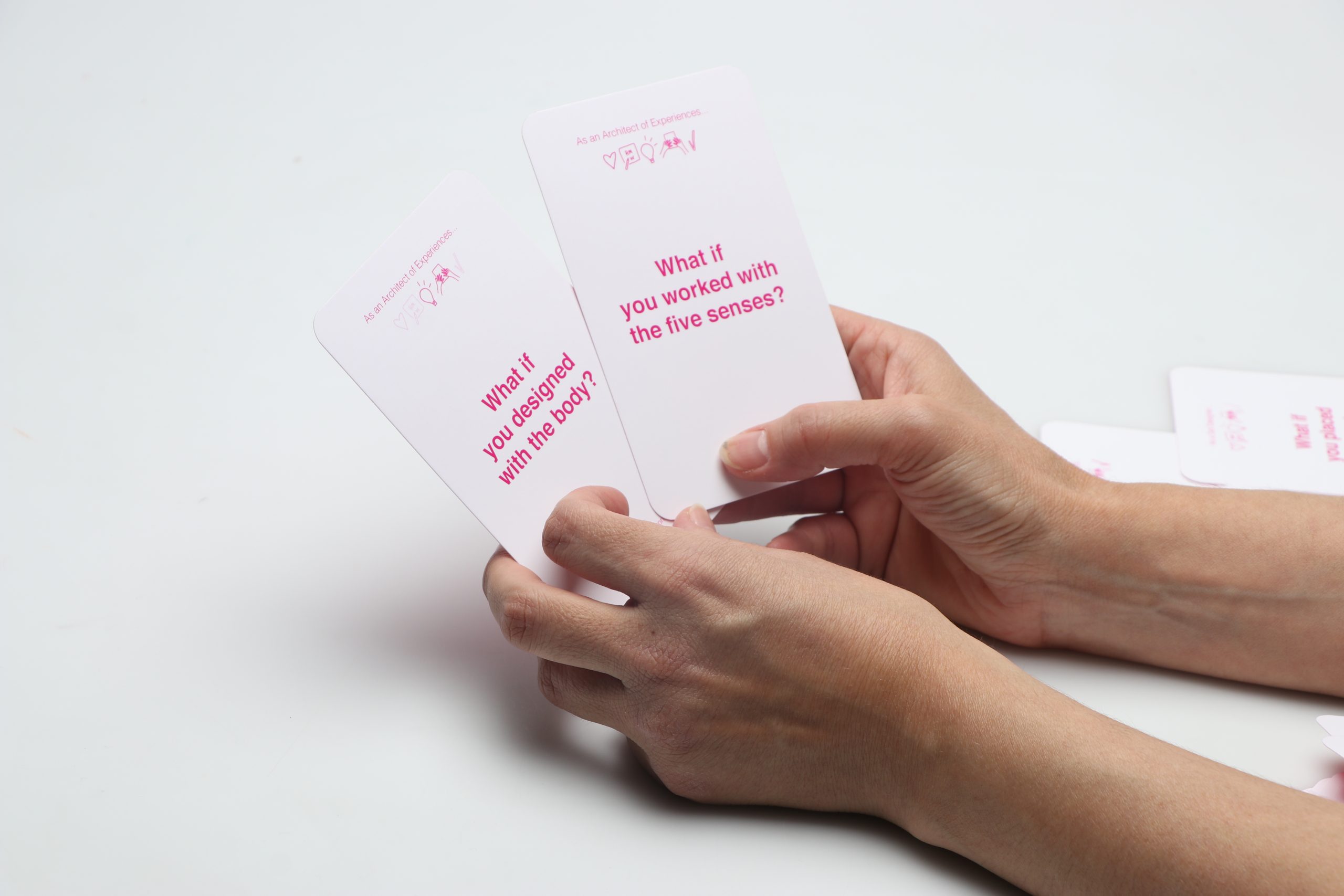
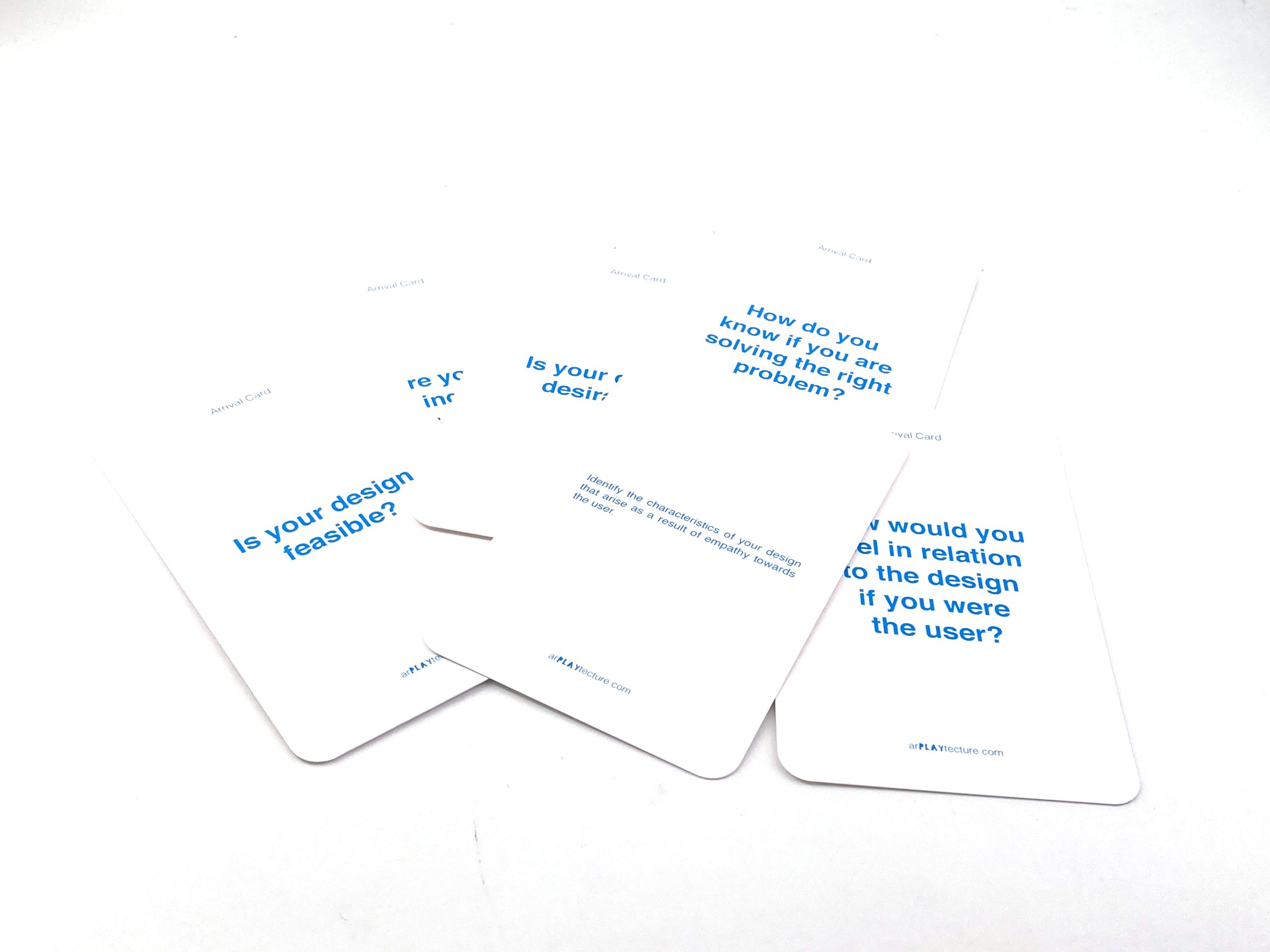
Arplaytecture Cards are a conversation toolkit — a structured set of prompts, role perspectives and reflective questions designed to keep the user present at every stage of the design process, not just at the beginning when their presence is still convenient.
I made them for architects and architecture students who already know how to design — and want to understand how their decisions relate to the people they are designing for.
They work in design studios, schools and professional practices. Used independently, they create a different kind of design conversation. Introduced through a workshop, they become a shared methodology.
How the toolkit works
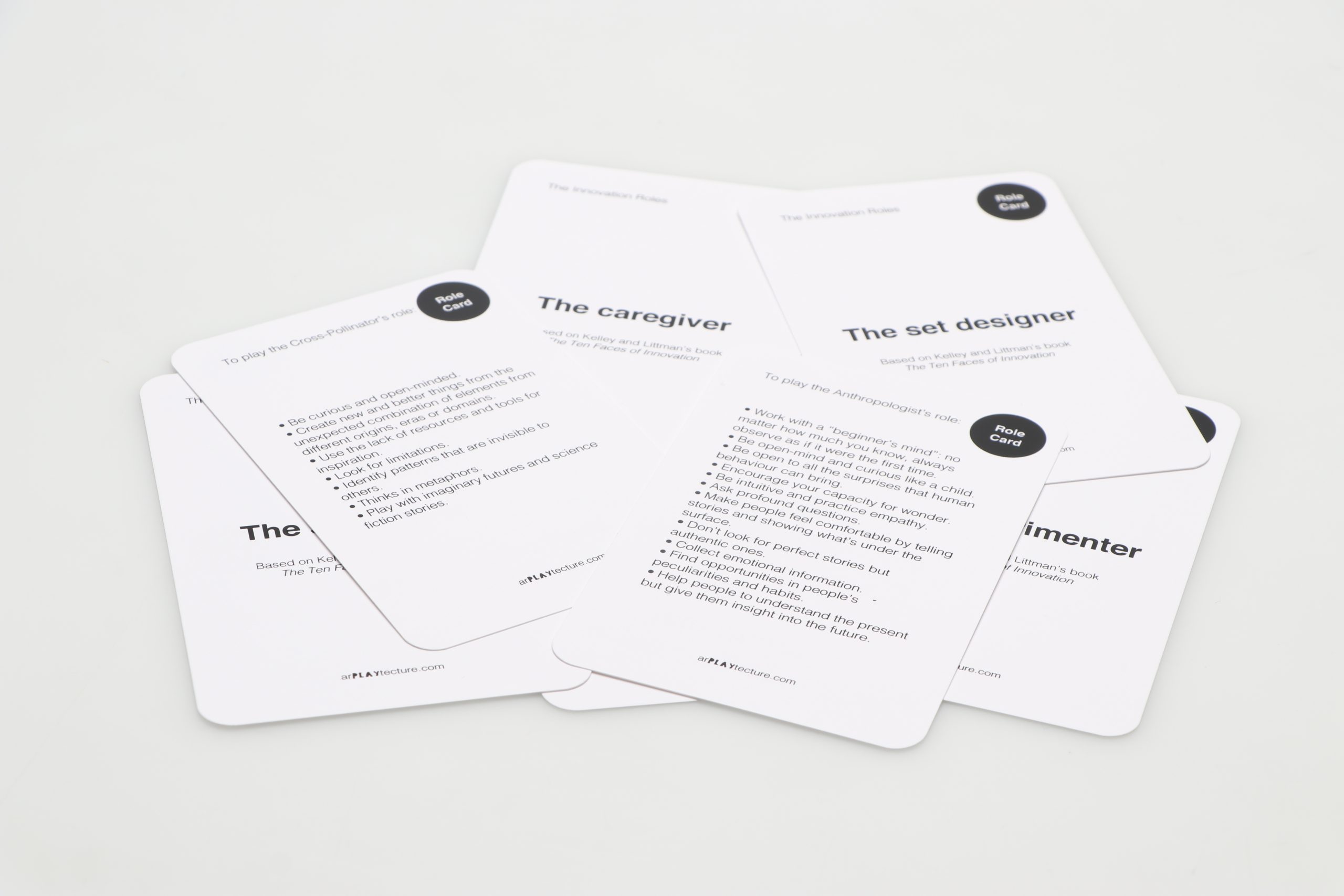
Four types of cards. Four moments in the design process. One question running through all of them: where is the user in this decision?
1. Become aware of your starting point
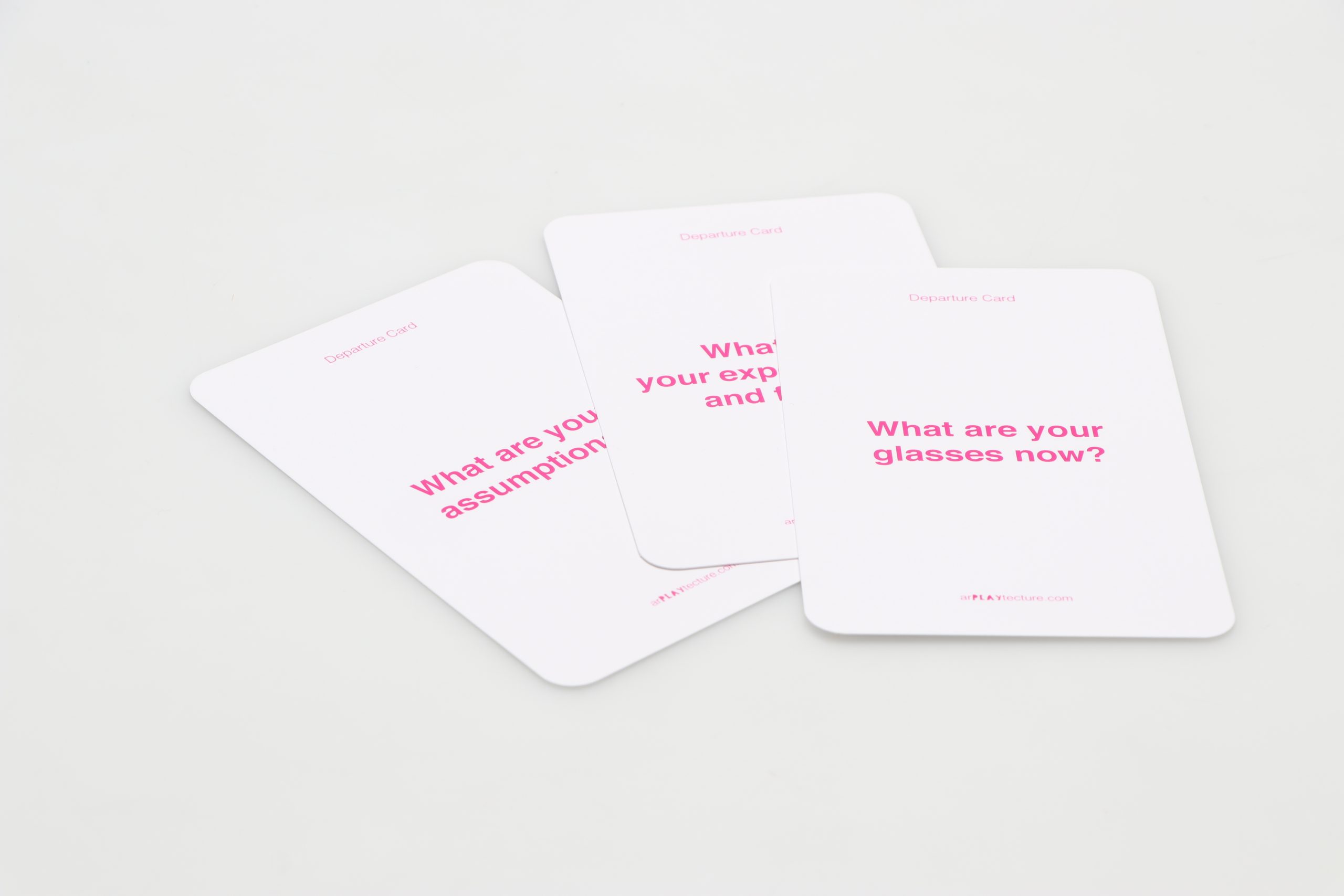
Departure cards ask you to examine the assumptions you bring before any decision is made — the ones you didn't know you had.
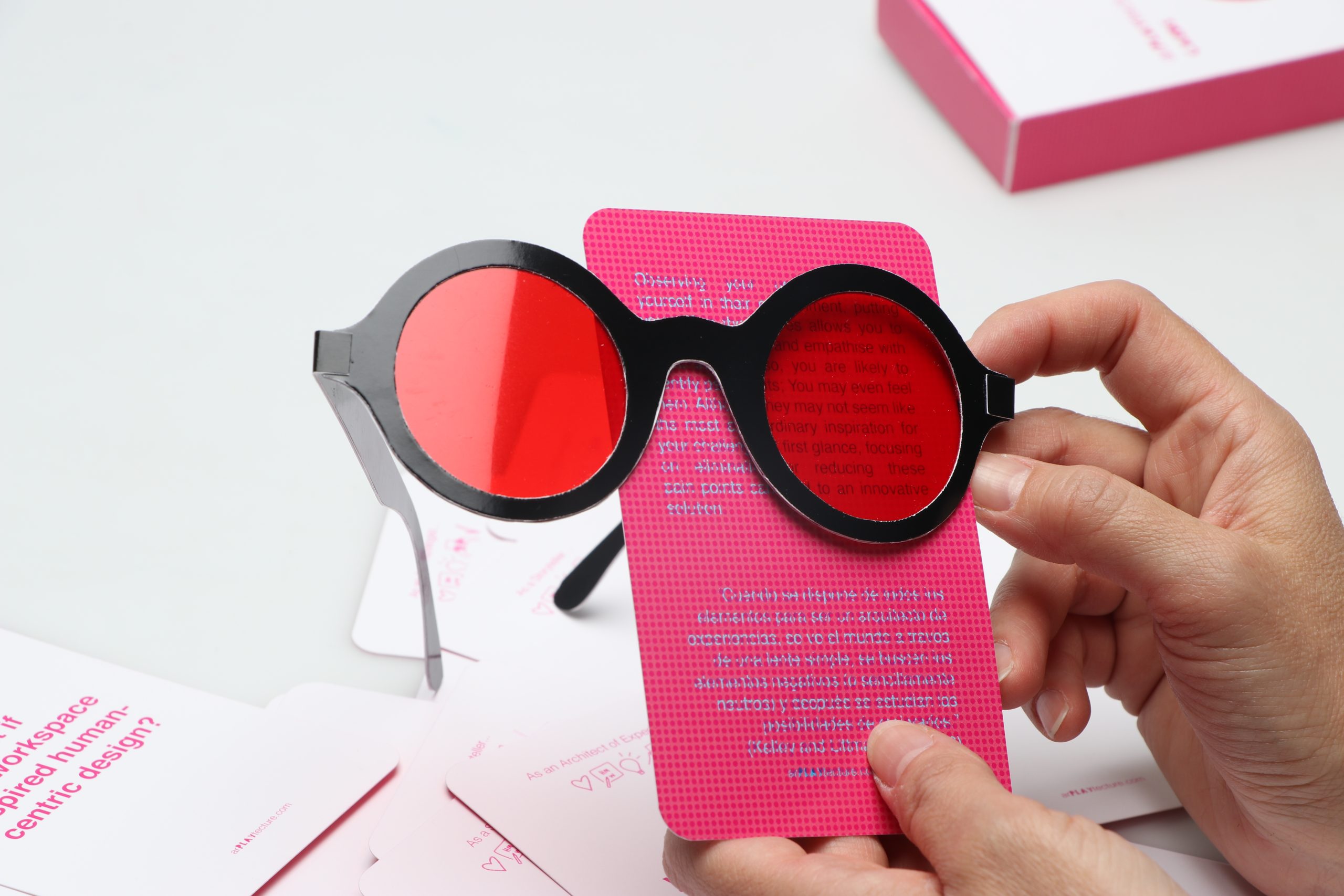
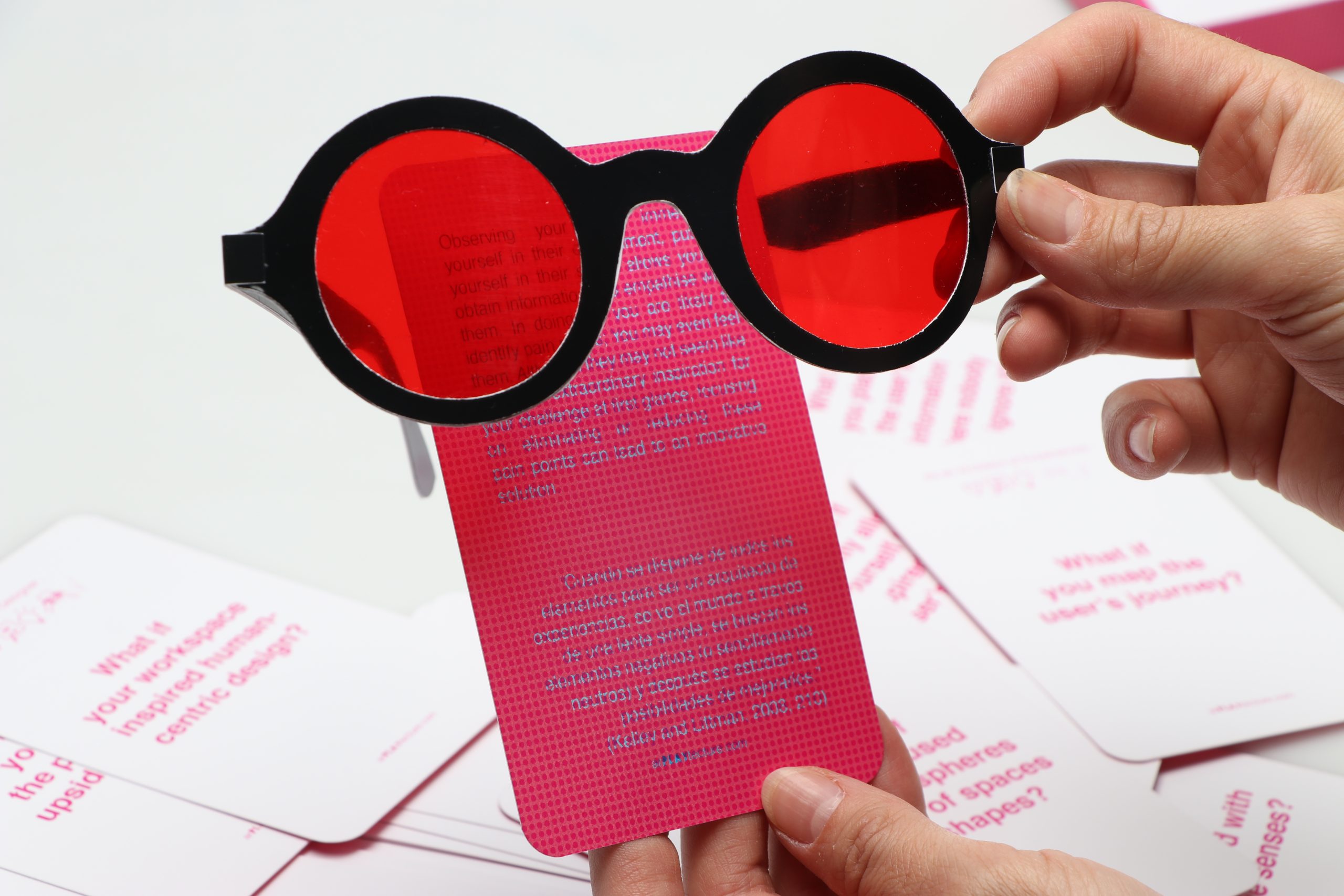
Each challenge card carries a hidden message, one that can only be read through the architect’s glasses. It is a small gesture, but a precise one: it asks you to look at the same thing differently.
Not to find a better answer, but to question whether you were looking at the right thing.
That shift in angle is what separates this conversation toolkit for architects from a prompt list: the cards do not just ask better questions, they change the position from which you see the answer.